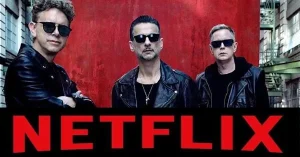
When Netflix quietly dropped the first official teaser for its long-rumored Depeche Mode documentary slated for 2026, the reaction was instant—and explosive. Within minutes, social media lit up with disbelief, excitement, and a healthy dose of nervous anticipation. For a band whose legacy is built on mystery, reinvention, and emotional intensity, the promise of a no-holds-barred documentary feels nothing short of seismic. According to early descriptions, this is not just a celebration of Depeche Mode’s towering influence, but a deep, unfiltered exploration of the truths behind the music—truths that may reshape how the world understands one of the most important bands in modern history.
A First Look That Changed Everything
The newly unveiled first look—brief but loaded—offers haunting visuals stitched together with archival footage, raw studio moments, and intimate voiceovers from band members past and present. The tone is unmistakably dark, reflective, and emotionally charged. Rather than leaning into nostalgia, the teaser suggests a documentary that confronts pain, conflict, and survival head-on.
Netflix describes the project as “an uncompromising portrait of artistic ambition, personal demons, and the cost of global fame.” For fans who have followed Depeche Mode since their early synth-pop days—or discovered them through later, more brooding eras—that statement alone feels like a warning and an invitation all at once.
Beyond the Hits: The Story Fans Haven’t Heard
While Depeche Mode’s catalog is filled with iconic songs that defined generations, the documentary reportedly shifts focus away from chart success and toward the emotional and psychological battles that shaped those records. Early indications suggest the film will explore:
- Creative fractures within the band, including clashes over musical direction and control
- The mental health struggles that haunted key members during the band’s most successful years
- Moments of near-collapse, when Depeche Mode stood on the edge of breaking apart for good
- The cost of reinvention, and how constantly evolving saved—and sometimes endangered—the band
Sources close to the production hint that some revelations have never been publicly discussed before, even in past interviews or biographies. For a group known for guarded silence, this level of openness is unprecedented.
Martin Gore, Dave Gahan, and the Heart of the Story
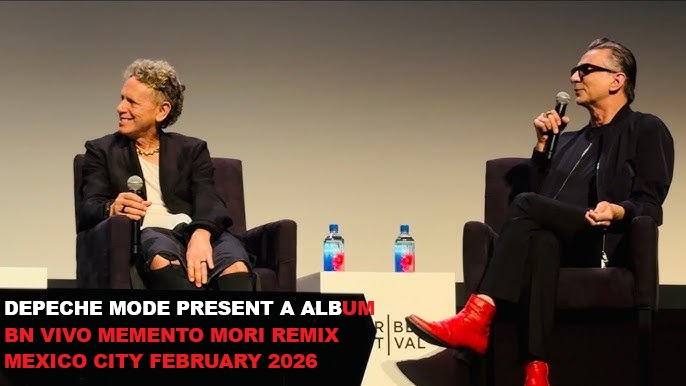
At the emotional core of the documentary are Dave Gahan and Martin Gore, whose creative partnership has powered Depeche Mode for over four decades. The first look teases deeply personal reflections from both men—moments of vulnerability that suggest the film will explore not just how the music was made, but why it had to be made.
Dave Gahan’s journey, long marked by addiction, recovery, and rebirth, appears to be addressed with unflinching honesty. Meanwhile, Martin Gore’s role as the band’s primary songwriter is examined through the lens of emotional isolation, pressure, and the burden of translating inner darkness into universal anthems.
Rather than casting heroes and villains, the documentary seems intent on showing how survival often comes at a cost—and how that cost was paid in private, long before it was visible onstage.
Archival Gold and Never-Before-Seen Footage
One of the most exciting promises surrounding the documentary is its access to previously unseen archival material. Netflix confirms the inclusion of rare studio tapes, backstage footage, handwritten lyrics, and personal recordings that span the band’s entire career—from their early days in Basildon to their rise as global icons.
Fans can expect to witness:
- Early experimentation that almost derailed the band
- Tense moments during recording sessions for landmark albums
- Private reflections captured at times when the future of Depeche Mode was uncertain
For longtime followers, this material represents a treasure trove. For newer audiences, it provides crucial context for understanding why Depeche Mode’s music resonates so deeply, even decades later.
Why This Documentary Matters Now
The timing of the documentary’s release in 2026 feels deliberate. Depeche Mode has entered a reflective phase of their career—one where legacy, mortality, and meaning have become central themes. Rather than waiting for history to define them, the band appears determined to tell their own story, on their own terms.
In an era where music documentaries often play it safe, Netflix’s Depeche Mode project is being positioned as something far more challenging: a confrontation with truth, regret, resilience, and the messy humanity behind perfectionist art.
Fans React: Excitement, Fear, and Gratitude
Unsurprisingly, fan reactions have been intense. Many express gratitude that the band is willing to be this open. Others admit they’re bracing themselves for revelations that may be painful to watch. But nearly all agree on one thing: this documentary feels essential.
For a band that taught generations how to find beauty in darkness, honesty in pain, and hope in despair, a documentary that mirrors those values feels like the ultimate artistic statement.
A Shockwave Waiting to Hit
If the first look is any indication, the Depeche Mode Documentary 2026 is not designed to be comfortable viewing. It promises to challenge myths, dismantle illusions, and reveal the fragile human reality behind one of music’s most powerful legacies.
As anticipation builds, one thing is clear: when Netflix finally releases the full documentary, it won’t just shock the music world—it will redefine how Depeche Mode is remembered, understood, and felt for generations to come.