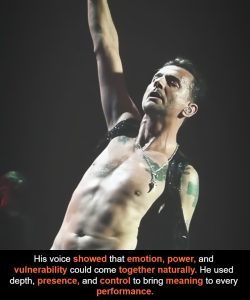
Few bands have lived as publicly—and as painfully—as Depeche Mode. For over four decades, the group has soundtracked obsession, faith, excess, guilt, and redemption, often mirroring their own lived experiences in stark, synth-driven confessions. Now, the highly anticipated 2026 Depeche Mode documentary, From Darkness to Light pulls back the curtain further than ever before, delivering an unflinching portrait of the band’s most turbulent years and the controversies that nearly tore them apart.
Premiering to intense anticipation, the film is already being described by early viewers as raw, brutally honest, and emotionally devastating. Far from a glossy celebration of hits and sold-out stadiums, the documentary confronts the shadows head-on—exploring addiction, internal fractures, artistic conflicts, and moments when survival itself felt uncertain.
A Band Built on Tension
From their earliest days, Depeche Mode thrived on creative friction. The documentary revisits the band’s formative years in Basildon, charting their rapid ascent in the early 1980s and the pressures that followed almost immediately. Through newly unearthed archival footage and candid present-day interviews, From Darkness to Light reveals how fame arrived faster than emotional maturity—and how that imbalance planted the seeds for later chaos.
Former and current members speak openly about ego clashes, power struggles over songwriting, and the emotional fallout of lineup changes that reshaped the band’s identity. For the first time on film, some of these disputes are discussed without diplomatic softening, exposing wounds that, while healed, never fully disappeared.
Addiction, Excess, and the Cost of Survival
One of the documentary’s most harrowing sections focuses on the band’s darkest period in the 1990s—a time long mythologized by fans but rarely examined with such brutal clarity. Substance abuse, burnout, and self-destructive behavior are addressed directly, with no attempt to romanticize the chaos.
The film explores how addiction infiltrated both personal lives and studio sessions, turning creative spaces into battlegrounds. Interviews reveal moments when band members genuinely believed Depeche Mode would not survive—either musically or physically. Hospital footage, private journal entries, and audio recordings paint a chilling picture of how close everything came to ending.
Rather than assigning blame, the documentary emphasizes accountability and consequence. It shows how silence, denial, and relentless touring culture compounded the damage—and how recovery required painful honesty and, in some cases, separation.
Creative Controversies and Fan Backlash
Beyond personal demons, From Darkness to Light dives into the artistic controversies that divided fans and critics alike. Albums that were initially dismissed, radical sonic shifts, and provocative imagery are reexamined with fresh perspective. Band members discuss moments when they knowingly alienated parts of their audience in pursuit of artistic truth—and the fear that came with those decisions.
The documentary also addresses public misunderstandings and tabloid narratives that distorted reality. Through behind-the-scenes context, long-standing rumors are either confirmed, reframed, or finally put to rest. For fans, these revelations offer clarity; for casual viewers, they underscore the complexity of maintaining integrity under constant scrutiny.
Loss, Grief, and the Weight of Legacy
No Depeche Mode story would be complete without confronting loss. The documentary handles these chapters with particular care, exploring how grief reshaped the band’s emotional and musical direction. Rather than lingering in tragedy, the film examines how mourning became a catalyst for reinvention—fueling some of the group’s most introspective and resonant work.
The surviving members speak candidly about guilt, unresolved conversations, and the strange burden of carrying a legacy that includes absence as much as presence. These moments are among the film’s quietest—and most powerful.
Redemption Without Illusion
Despite its heavy subject matter, From Darkness to Light is not a despairing film. Its final act focuses on resilience: the difficult rebuilding of trust, the rediscovery of purpose, and the slow return to joy in creation. Redemption here is not portrayed as a single breakthrough, but as an ongoing process—fragile, imperfect, and deeply human.
Recent studio footage and tour rehearsals illustrate a band that has learned how to coexist with its past rather than outrun it. The music, still dark and seductive, now carries a different weight—one shaped by survival rather than self-destruction.
A Defining Document for Fans and Music History
More than a documentary, From Darkness to Light stands as a historical record of what it truly costs to endure at the highest level of music. It refuses nostalgia for nostalgia’s sake, choosing honesty over comfort. For longtime fans, it provides long-awaited answers and emotional closure. For new audiences, it introduces Depeche Mode not just as icons, but as flawed individuals who turned pain into art.
In confronting their most controversial moments without flinching, Depeche Mode have created perhaps their most powerful statement yet—not through sound, but through truth. And in doing so, they remind the world why their music has always resonated so deeply: because it was never afraid to live in the dark, in order to find the light.