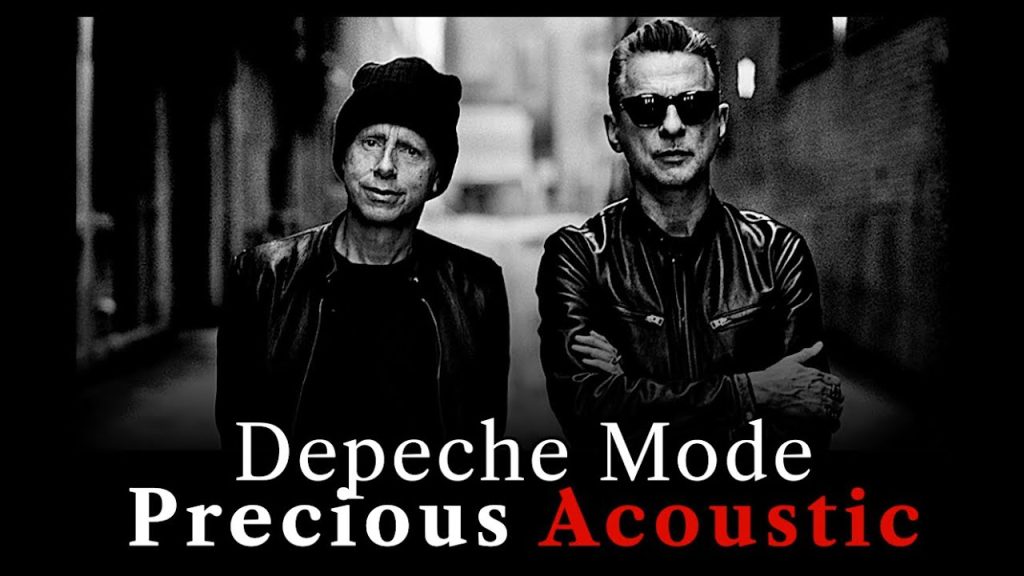
The internet didn’t just react—it erupted. Within minutes of Netflix dropping the first trailer for its highly anticipated Depeche Mode documentary, fans across generations flooded social media with disbelief, excitement, and a fair amount of emotional chaos. For a band that has spent more than four decades shaping the sound, mood, and soul of modern music, the promise of new revelations in 2026 feels nothing short of seismic.
From grainy rehearsal footage to stark, confessional close-ups, the trailer hints that this won’t be a standard career retrospective. Instead, Netflix appears poised to deliver a raw, unfiltered look at one of the most influential and enigmatic bands in music history—and fans are bracing themselves for truths they may not be ready to hear.
More Than a Documentary — A Cultural Reckoning
Depeche Mode have always thrived in the shadows between mainstream success and underground mystique. With over 100 million records sold, countless chart-topping singles, and a legacy that stretches from cold-wave synth pop to stadium-filling alternative rock, their story has been told many times—but never like this.
The trailer opens with haunting synths layered beneath never-before-seen footage from the band’s earliest days in Basildon, England. A voice—low, reflective, unmistakably intimate—asks, “What does it cost to survive this long?” That single line has already become a viral quote among fans, signaling that the documentary will dig far deeper than accolades and album sales.
Netflix promises “confessions, conflicts, and consequences”, teasing revelations that could challenge long-held narratives about the band’s creative process, internal struggles, and personal sacrifices.
Dave Gahan: The Voice, the Survivor, the Truth-Teller
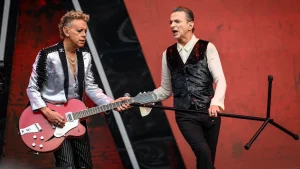
Much of the trailer’s emotional weight appears centered on Dave Gahan, whose life has often mirrored the darkness and beauty of Depeche Mode’s music. Brief clips show him alone on empty stages, backstage in silence, and speaking candidly about moments that nearly ended everything.
Fans immediately picked up on lines hinting at near-collapse moments, battles with addiction, and the mental toll of fame. For longtime followers, this honesty feels both devastating and cathartic. Gahan has always been open—but the trailer suggests he may be going further than ever before.
One fan wrote online, “This doesn’t feel like nostalgia. It feels like closure… or confession.”
The Creative Wars Behind the Synths
Equally intriguing are glimpses of Martin Gore, the band’s principal songwriter, reflecting on the burden of translating personal pain into global anthems. Quick cuts show tense studio moments, unfinished demos, and silent pauses that speak louder than words.
The documentary appears ready to explore creative clashes, unspoken resentments, and moments of near-separation—topics the band has historically addressed only in fragments. If the trailer is any indication, 2026 could finally bring clarity to questions fans have debated for decades:
How close did Depeche Mode come to breaking apart?
What sacrifices were made to keep the band alive?
And what truths were buried beneath the music?
A Legacy Re-Examined, Not Romanticized
Unlike many music documentaries that polish the past into a glossy highlight reel, Netflix’s Depeche Mode film seems intent on challenging the myth. The trailer contrasts massive stadium crowds with stark loneliness, euphoric success with emotional burnout, and artistic triumph with personal cost.
Industry insiders are already calling it a potential benchmark documentary, one that could redefine how legendary bands tell their stories in the streaming era. Music historians believe the revelations may reshape how Depeche Mode’s influence is understood—not just as hitmakers, but as pioneers who paid a heavy price for innovation.
Fans React: “We’re Not Ready for This”
The reaction has been explosive. Hashtags related to the documentary trended worldwide within hours. Fans described crying, rewatching the trailer repeatedly, and preparing themselves “emotionally and spiritually” for what’s to come.
For younger listeners discovering Depeche Mode through streaming platforms, the documentary promises context and depth. For longtime devotees, it feels like a reckoning—a chance to finally understand the people behind the music that soundtracked their lives.
2026: A Year That May Change Music History
With its 2026 release date, the documentary lands at a moment when Depeche Mode’s legacy is being actively reassessed—not as a band of the past, but as a living, evolving force whose influence continues to ripple through modern music.
If the trailer is telling the truth—and fans believe it is—this won’t just be a documentary.
It will be a revelation, a confrontation, and possibly the most honest portrait of Depeche Mode ever put to screen.
One thing is certain: when Netflix finally presses play in 2026, the music world won’t be the same again.