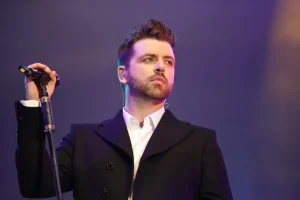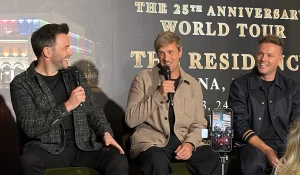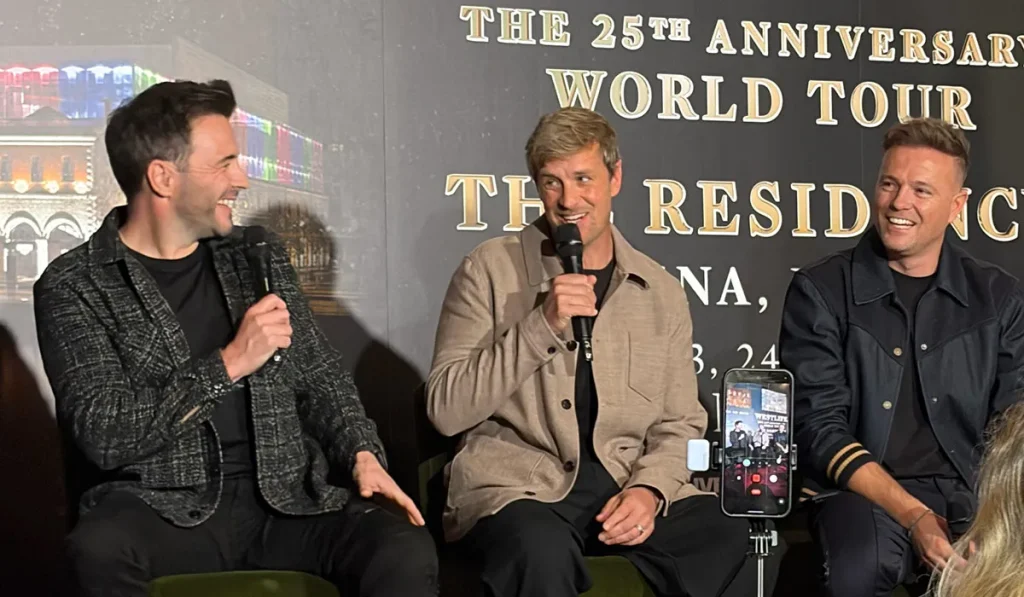
The announcement of Westlife’s highly anticipated 2026 world tour was supposed to be a moment of pure celebration. For many fans, the Irish pop group—made up of Shane Filan, Nicky Byrne, Kian Egan, and Mark Feehily—represents decades of memories, from first teenage crushes to soundtracking weddings, breakups, and long road trips. Instead, what followed the tour reveal was a wave of online backlash, as ticket prices quickly became the center of an intense and emotionally charged debate across social media platforms.
Within hours of tickets going on sale, fan forums, X (formerly Twitter), Instagram comment sections, and Facebook groups lit up with a mix of excitement and frustration. While many fans expressed joy that the band would be returning to the stage yet again, others accused the tour of being “unaffordable,” “out of touch,” and “designed only for the wealthy.”
Shock at the Checkout Page
A recurring theme among disgruntled fans was the sense of sticker shock when they reached the final stages of purchasing tickets. Several self-described long-time supporters said they had budgeted for the tour, only to find that prices were far higher than expected once fees, seating tiers, and optional add-ons were factored in.
“I’ve seen Westlife live five times since the early 2000s,” one fan wrote in a widely shared post. “This is the first time I’ve had to close the page and walk away. I simply can’t justify it.”
Others echoed similar sentiments, pointing out that the rising cost of living has made discretionary spending more difficult. For fans with families, travel expenses, or limited incomes, the idea of paying premium prices for concert tickets felt particularly discouraging.
The Emotional Weight of Loyalty
What has made the debate especially heated is the deep emotional bond many fans feel toward Westlife. Unlike newer acts whose audiences may be more transient, Westlife’s fanbase spans generations and often includes listeners who have followed the band for more than 25 years.
Some fans argued that loyalty should be rewarded, not tested.
“We’ve stuck by them through hiatuses, lineup changes, and decades of albums,” one commenter wrote. “It hurts to feel priced out after all this time.”
This sense of betrayal, whether justified or not, has fueled a narrative that the band—or their management—has underestimated the financial realities faced by their most devoted supporters.
Defenders Push Back
Not everyone agrees with the criticism. A sizable portion of fans has pushed back against the accusations, arguing that modern tours are simply more expensive to produce. Rising costs for venues, staffing, transportation, stage design, insurance, and security have all been cited as contributing factors.
“People forget this isn’t 1999 anymore,” one fan responded. “Everything costs more now—concerts included. Westlife isn’t forcing anyone to buy tickets.”
Others pointed out that premium pricing often applies only to certain seating categories or VIP packages, and that more affordable options may still be available for those willing to compromise on location or extras.
The VIP Question
VIP and “experience” packages have become a flashpoint in the debate. While some fans appreciate the chance to get closer to the band through exclusive merchandise or priority access, others see these packages as emblematic of a two-tier fan system.
Critics argue that such options create an uncomfortable divide between those who can afford premium access and those who cannot. Supporters counter that VIP packages are optional and help subsidize the overall cost of touring.
Still, the optics of high-priced packages attached to a band known for emotional ballads and themes of devotion have proven controversial.
Silence from the Band
As the debate has intensified, Westlife themselves have remained largely silent on the pricing controversy. This has only added fuel to the discussion, with some fans interpreting the lack of response as indifference, while others believe the band is simply allowing promoters and ticketing companies to handle the logistics.
Industry insiders often note that artists do not always have full control over ticket pricing, particularly for large-scale international tours. Dynamic pricing models, third-party sellers, and venue agreements can all influence final costs in ways that are not always transparent to the public.
A Wider Industry Problem
The Westlife debate is far from unique. Across the music industry, fans of artists from every genre have raised similar concerns in recent years. As live music has rebounded strongly, ticket prices have climbed, sparking broader conversations about accessibility, fairness, and the role of corporate interests in entertainment.
In this sense, Westlife has become a symbol of a much larger issue—one that pits nostalgia and emotional connection against economic reality.
Love, Frustration, and Unfinished Business
Despite the backlash, many fans who criticized the prices admitted they were still hoping to attend, even if it meant saving longer, choosing cheaper seats, or waiting for last-minute opportunities. That tension—between love for the music and frustration with the cost—captures the heart of the current debate.
Whether the controversy will have any lasting impact on ticket sales or the band’s reputation remains to be seen. What is clear, however, is that Westlife still inspires powerful feelings, both positive and negative, decades into their career.
For now, the 2026 tour stands as a reminder that in the modern concert era, even the most cherished artists are not immune to scrutiny—and that for devoted fans, the price of nostalgia can sometimes feel painfully high.