There are nights in football that feel bigger than the game itself.
Not because of the quality on the pitch, but because of everything that surrounds it. The tension before kickoff. The noise inside the stadium. The history that lingers in every challenge, every decision, every reaction from the stands.
When Celtic and Rangers meet, that edge is always there.
But last month at Ibrox, something shifted.
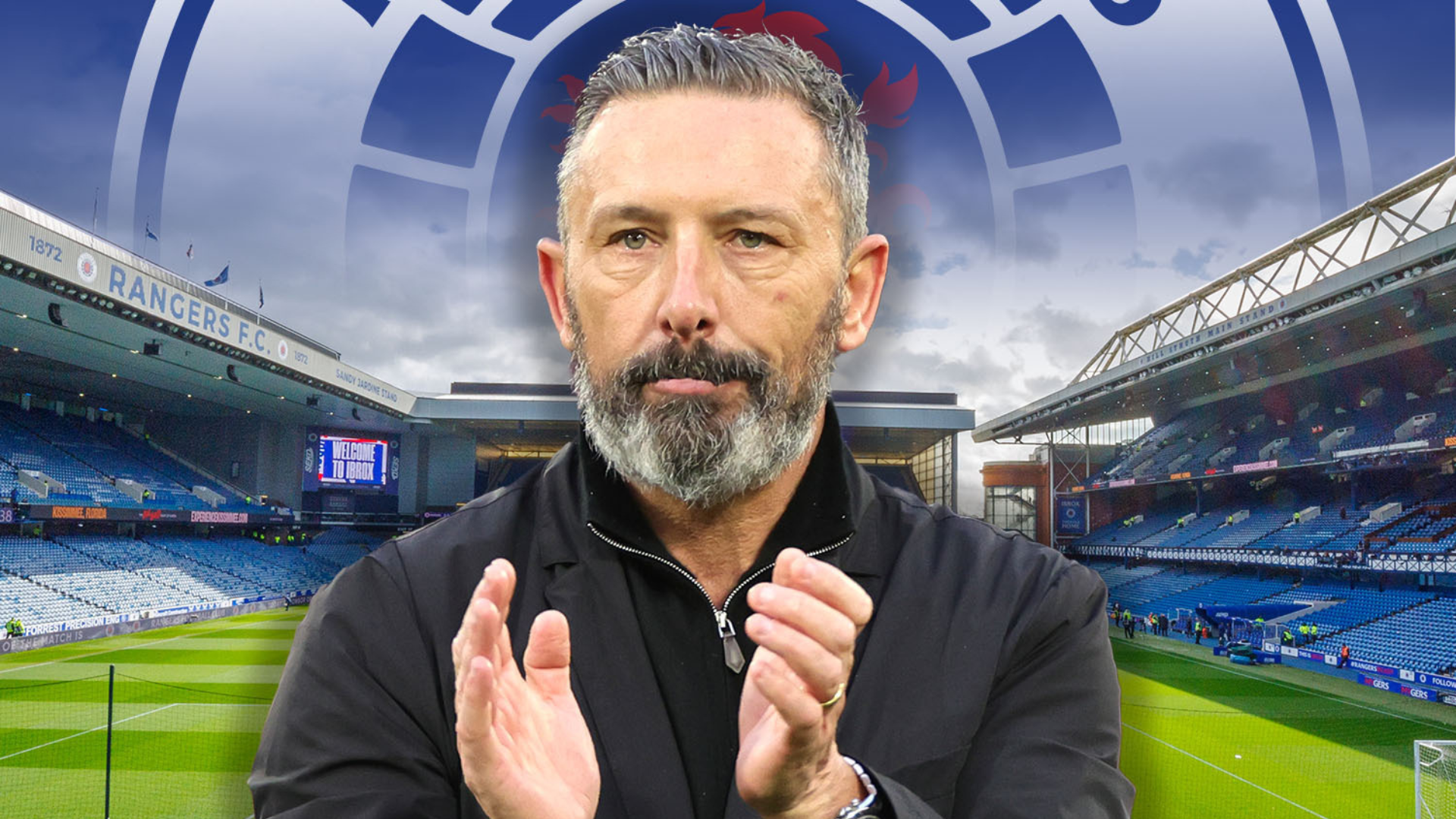
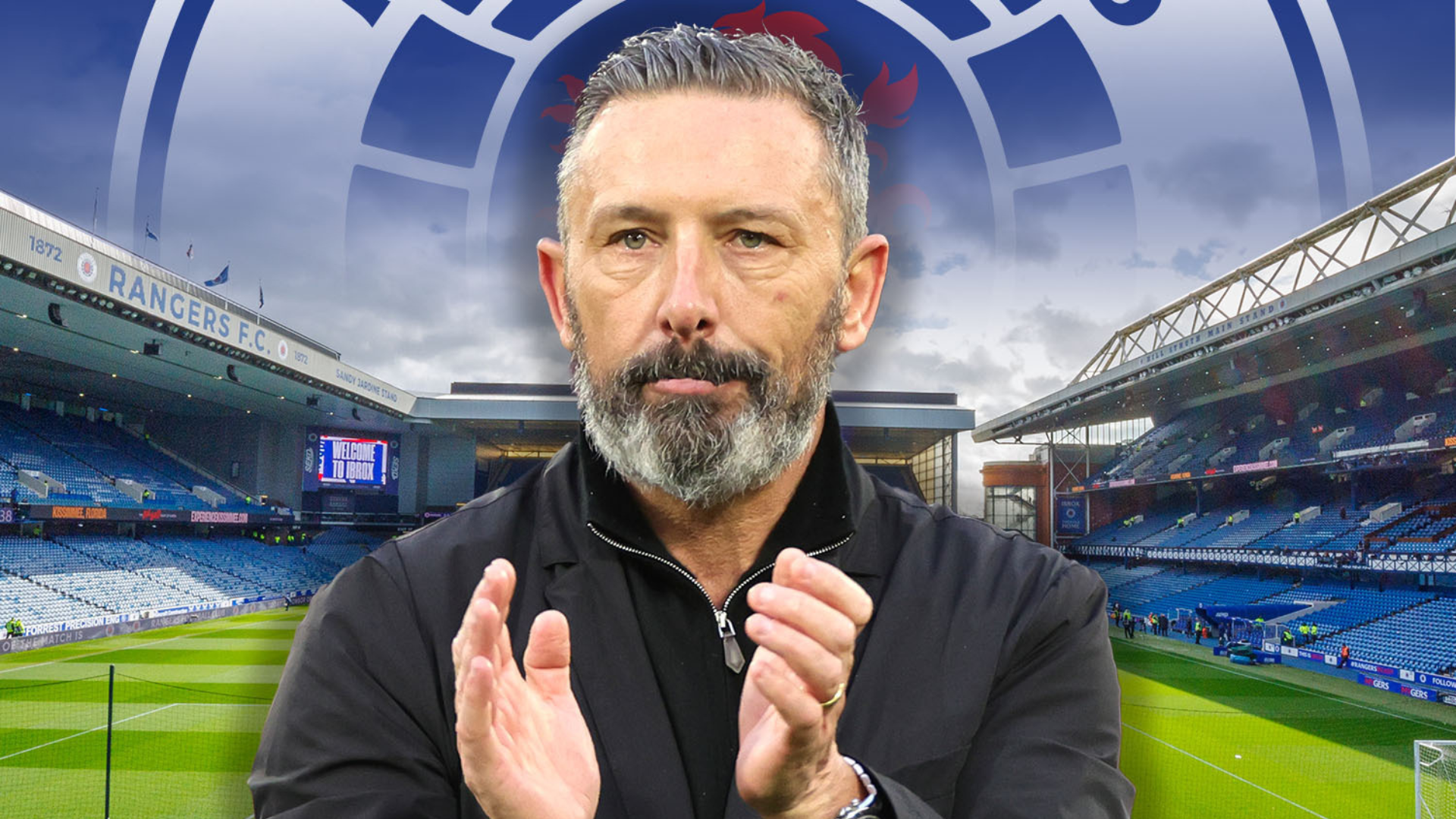
It was meant to be another chapter in one of football’s fiercest rivalries. A Scottish Cup tie with everything on the line. Pride, progression, and the kind of bragging rights that echo long after the final whistle.
Celtic eventually edged it on penalties.
That should have been the headline.
Instead, what followed became the story.
Because as the dust settled on the shootout, the focus quickly moved away from football. Supporters made their way onto the pitch. Tensions escalated. What should have been contained within ninety minutes and a penalty shootout spilled into something far more chaotic.
The images travelled fast.
Security scrambling to respond. A heavy police presence forming a barrier between opposing fans. Confusion, frustration, and a sense that control had slipped at the worst possible moment.
And once something like that happens, the questions begin.
Not just about the final whistle, but about everything that led up to it.
How was the day managed? What decisions were made before kickoff? Could the situation have been handled differently once things began to unravel?
For weeks, those questions have hung in the air.
Now, they are being formally addressed.
The Scottish FA have moved beyond immediate reactions and into something far more detailed. A full independent review into the events at Ibrox, led by a figure with experience at the highest level of match operations.
And this is not a surface level look.
“The Scottish FA can confirm the appointment of an Independent Lead and terms of reference for the review into the incidents which occurred at the Scottish Gas Scottish Cup quarter-final between Rangers and Celtic at Ibrox Stadium on 8 March.”
According to the governing body, the aim is clear.
To establish exactly what happened, not just during the flashpoints everyone saw, but across the entire day. Inside the stadium, around it, and in the planning stages that came before a ball was even kicked.
That includes examining decisions made in advance, during the match itself, and in the crucial moments after it ended.
The statement continues: “The review will be led by Mark Blackbourne, a vastly experienced sports event consultant who continues to lead on match operations at major club and international competitions under UEFA and FIFA jurisdiction.
“The review process commenced with a meeting of all relevant parties at Barclays Hampden, convened by the Independent Lead, including the respective clubs, Police Scotland and representatives from the Scottish FA.”
This is where things start to shift.
Because once a review like this begins, it is no longer just about one incident. It becomes about systems. About preparation. About whether the structures in place are strong enough to handle the intensity of fixtures like this.
And crucially, how to prevent it from happening again.
Rangers have now broken their silence on the situation.
Not with anger. Not with deflection. But with a response that signals a willingness to engage with what comes next.
“We welcome the appointment of an independent lead and will work constructively with all involved to support a full and fair examination of events leading up to, and including, the game on the 8th of March.”
It is a measured stance, but an important one.
Because cooperation will be key in what follows. This is not about pointing fingers in the moment. It is about understanding the full picture, even if that picture is uncomfortable.
And that is the part still to come.
The findings. The recommendations. The potential changes that could reshape how these fixtures are handled in the future.
Because what happened at Ibrox cannot be undone.
But what happens next will decide whether it becomes a turning point, or just another warning sign ignored.