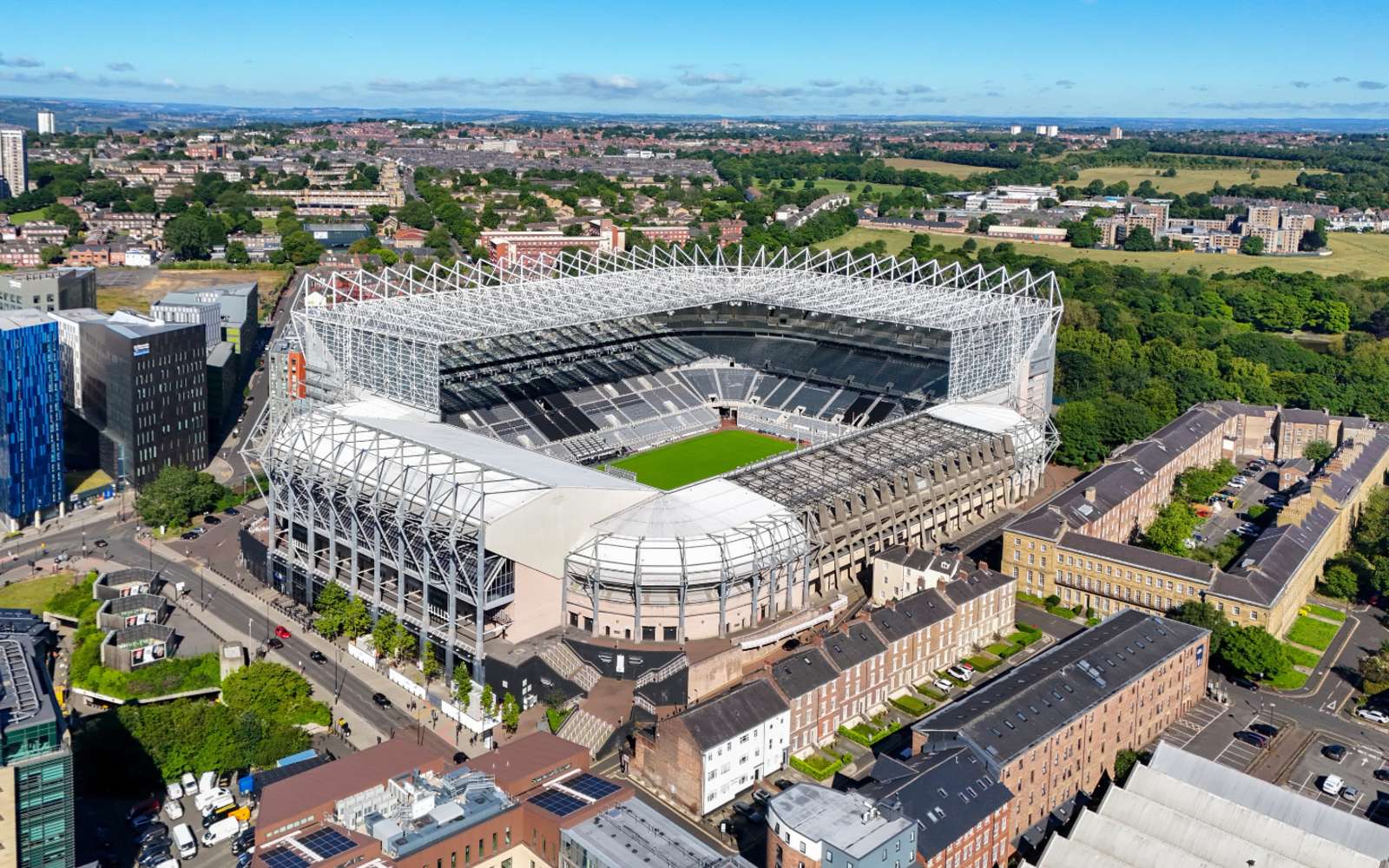
In a match that will be remembered as much for its historic significance as for the harsh reality that struck in the dying moments, Scotland secured a vital 1-0 victory against Haiti in their opening Group C fixture of the 2026 FIFA World Cup. John McGinn’s deflected strike in the 28th minute proved decisive at Gillette Stadium in Foxborough, Massachusetts, ending a 36-year wait for a World Cup win. Yet the euphoria was short-lived as Scotland were hit with devastating news that has already cast a shadow over their campaign.
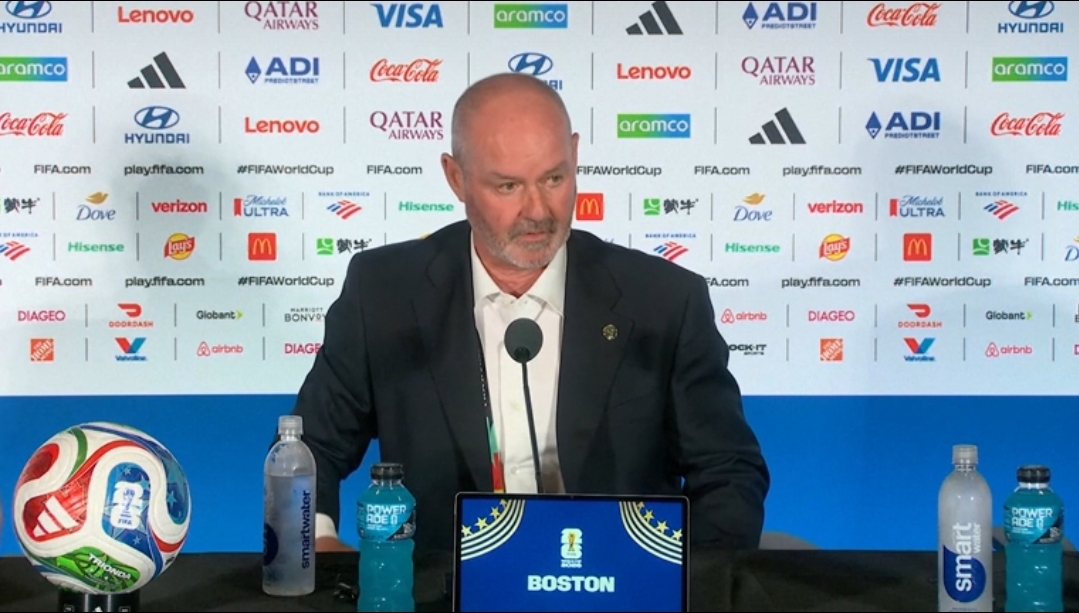
Manager Steve Clarke, ever the stoic figure in Scottish football, stepped forward hours after the final whistle to address the Tartan Army directly. In a heartfelt statement released via the Scottish FA’s official channels and shared across social media, Clarke sought to balance pride in the team’s resilience with the sobering update that has left fans reeling.
“Supporters, what you saw today was a team that embodied everything we’ve been building for years – heart, fight, and belief,” Clarke wrote. “Beating Haiti, in our first World Cup appearance in 28 years, is something to cherish. But I won’t sugarcoat it. We’ve taken a hit tonight, and it hurts. We ask for your continued support as we navigate this. The boys will need every one of you behind them more than ever.”
The Match That Delivered Joy and Heartache
From the first whistle, it was clear this would be no walkover. Haiti, making their return to the World Cup after a long absence, came out with intensity and physicality that tested Scotland’s resolve. The Caribbean side pressed high and utilized their dynamic attackers to create several dangerous moments, particularly on the counter. Scotland, however, showed the defensive steel that has become a hallmark of Clarke’s tenure.
The breakthrough arrived midway through the first half. A loose ball in the box fell to John McGinn, whose left-footed effort took a wicked deflection off a Haitian defender and looped beyond goalkeeper Johny Placide. The scenes among the thousands of Scotland fans who had turned Boston into a sea of tartan were electric – bagpipes, chants of “No Scotland, No Party,” and tears of joy. It was Scotland’s first World Cup goal since 1998 and first win since the group stages in 1990.
The second half became a war of attrition. Haiti threw everything forward, with near-misses and penalty appeals that had Scottish hearts in mouths. Captain Andy Robertson and the backline, marshalled superbly by Jack Hendry, stood firm. Clarke’s substitutions injected fresh legs, and the final whistle brought cathartic release. Scotland sit atop Group C after Brazil and Morocco played out a 1-1 draw earlier in the day.
But as players celebrated on the pitch, medical staff rushed to one of the team’s key performers. Reports quickly emerged that a major injury had occurred in a late challenge, one that could sideline a pivotal squad member for a significant portion of the tournament. While the Scottish FA has not yet named the player publicly, sources close to the camp indicate it is a starter who featured prominently in the victory – a blow that could force tactical reshuffles ahead of tougher tests against Morocco and Brazil.
Clarke’s Leadership in Crisis
Steve Clarke has never been one for hyperbole, and his post-match comments reflected that. Speaking in the mixed zone before issuing his fuller statement, he praised the performance while acknowledging the challenges ahead.
“I said to Andy [Robertson] it’s about time we won a game in the group stage. We probably put the supporters through it a little bit, but who cares? We won,” Clarke told reporters. “Defensively, outstanding. Could have been a little bit better with the ball, but we dug in. That’s what this team is about.”
His direct message to fans went further, striking a tone of unity and realism that has endeared him to the Scottish public over the years. Clarke highlighted the journey to qualification, the sacrifices of players and supporters alike, and the unbreakable spirit of the Tartan Army.
“To the fans who have travelled thousands of miles, sung their hearts out, and made Boston feel like home – thank you. This result is for you. The bad news today is football. It can give and it can take away in the same evening. But we’ve come too far to let this derail us. We’ll assess everything, plan accordingly, and come back stronger. Keep believing.”
Insiders suggest the statement was carefully timed to quell speculation swirling on social media. Rumours of the injury spread rapidly after footage showed a player receiving lengthy treatment before being helped off. The manager’s transparency is being praised as a way to manage expectations in a group where progression would be historic.
Broader Context: Scotland’s Historic Return
Scotland’s qualification for the 2026 World Cup, co-hosted by the United States, Canada, and Mexico, marked the end of a long exile. Under Clarke, the side has evolved into a compact, hard-to-beat unit capable of moments of quality. The win over Haiti validates the progress, but the “bad news” – whatever its full extent – serves as a reminder of the tournament’s brutal physical demands.
Fans in Boston created an unforgettable atmosphere. From Fan Fest at City Hall Plaza to streets filled with kilts and flags, the Tartan Army lived up to their reputation. One viral moment saw a local police officer joining in keepie-uppies with supporters, symbolising the warmth of the occasion. Yet the injury news quickly tempered the celebrations in pubs and fan zones across the city.
Pundits have been quick to weigh in. Former Scotland internationals expressed pride mixed with concern.
“This team has character in spades. Clarke has built something special. One setback won’t define them, but they’ll need to adapt fast.”
What Lies Ahead
Scotland now face Morocco in their second group match, followed by a daunting clash with Brazil. With three points already secured, the path to the knockout stages – a first for the nation – remains open but challenging. The injury adds urgency to squad depth questions. Young talents like Tyler Fletcher, brought in after Billy Gilmour’s earlier tournament-ending knee injury, may see increased roles.
“Football is a marathon, especially at this level. We’ve shown we can win ugly. Now we show we can overcome adversity.”
For the players, the focus shifts to recovery and preparation. McGinn, the hero of the night, spoke briefly of team spirit:
“We’re in this together. The gaffer’s message says it all – for the fans, for Scotland.”
A Nation United
As the dust settles on a dramatic debut, one thing is clear: Scottish football is back on the global stage, and the bond between team and supporters has never been stronger. The 1-0 win delivered the perfect start on paper, but the accompanying bad news ensures the narrative remains one of grit rather than glory – at least for now.
Steve Clarke’s words will resonate deeply. In a sport that often builds heroes only to test them immediately, his call for continued faith feels authentic. The Tartan Army, known for their loyalty through decades of near-misses, will heed it. Whether the injury proves a minor blip or a major hurdle, Scotland’s World Cup journey has truly begun.
Fans have already started trending hashtags like #WeStandWithTheBoys and #ClarkeArmy, offering messages of support. Merchandise sales spiked overnight, and travel packages for the remaining games are in high demand.
In the end, this result and the statement that followed encapsulate Scottish football: moments of pure joy intertwined with harsh lessons. Clarke and his squad have given the nation a win to savour. Now, they must confront the bad news head-on, with an entire country behind them.