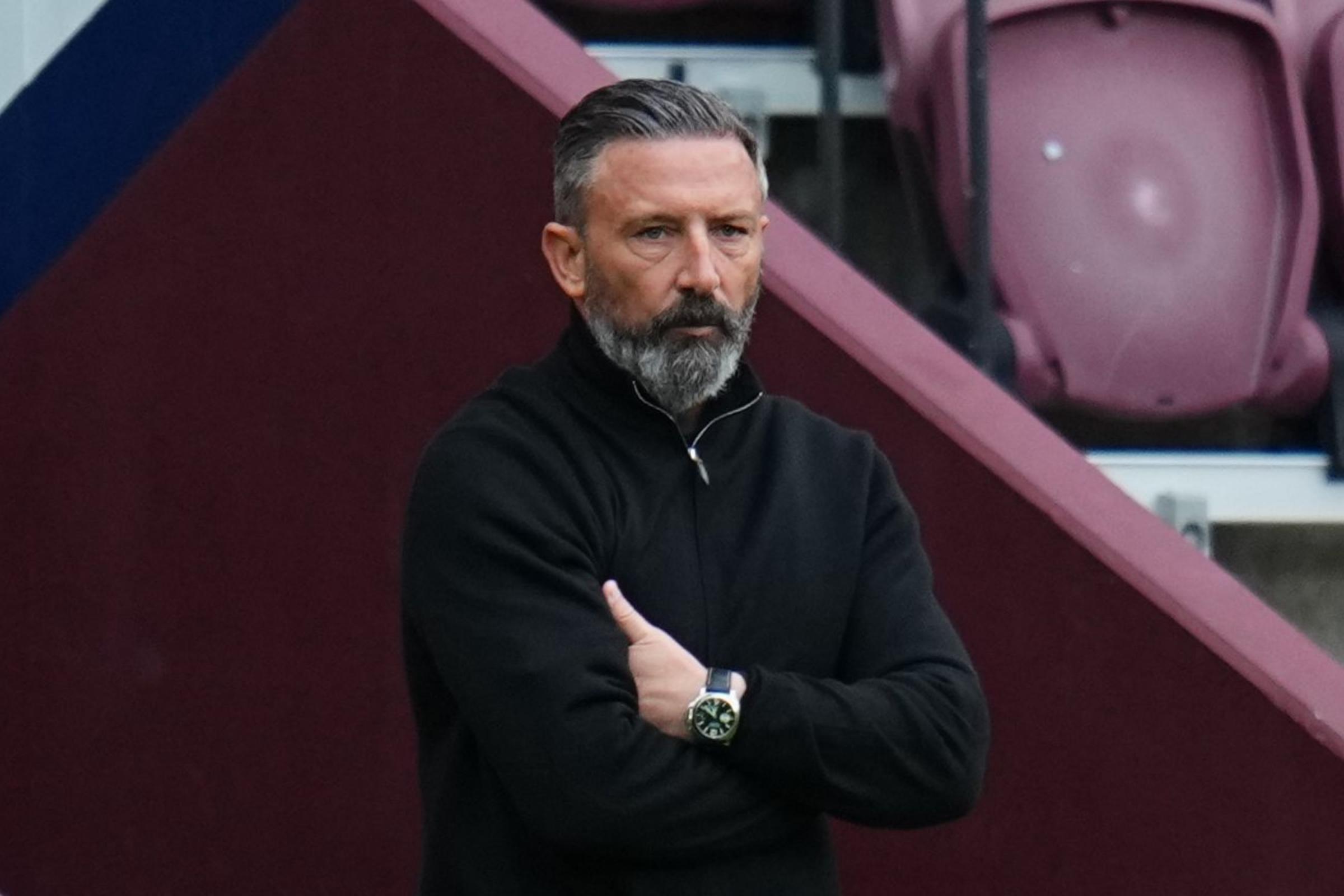
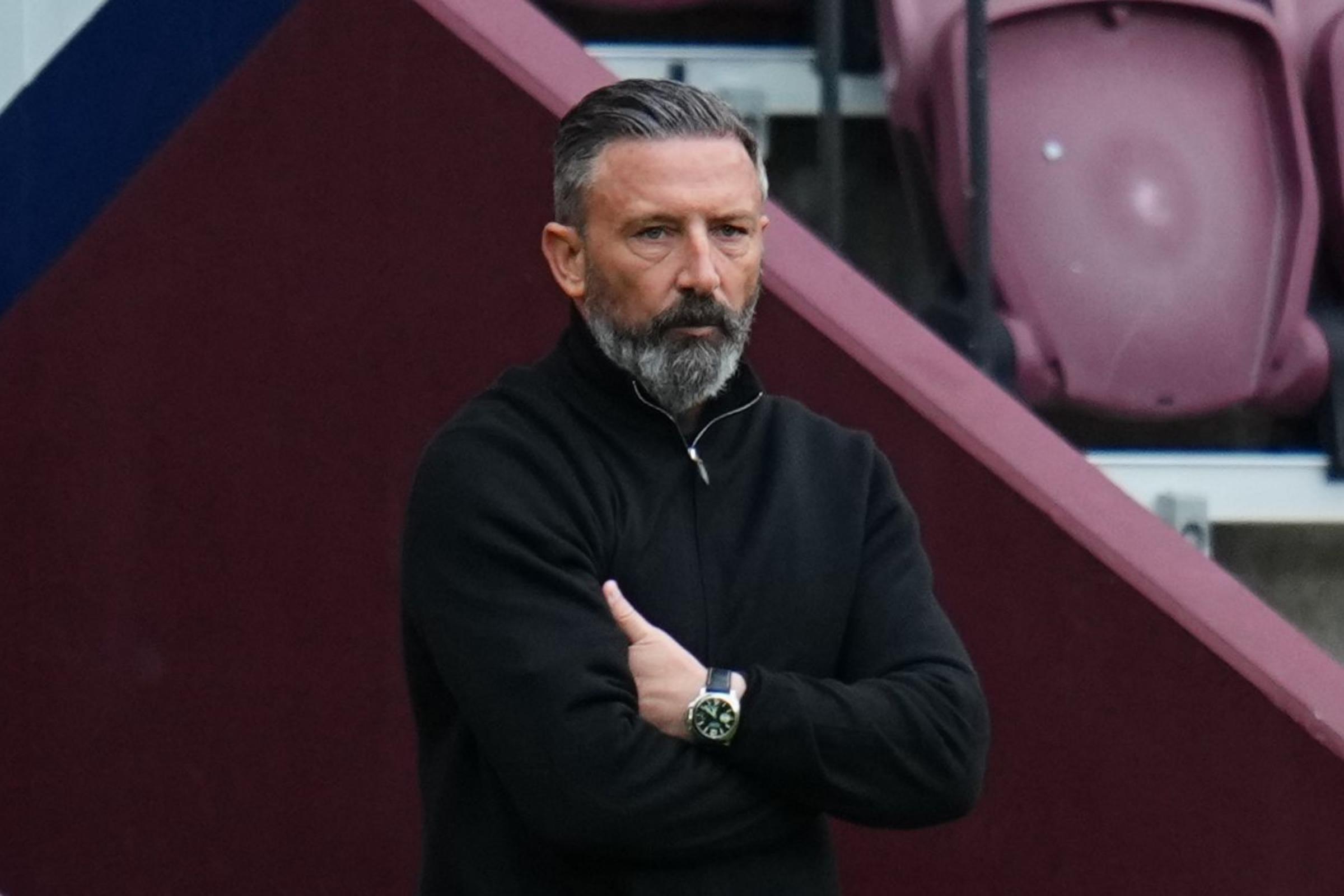
Rangers manager Derek McInnes has been officially hit with a Scottish Football Association Notice of Complaint following a furious fall-out over his explosive post-match comments regarding a controversial late penalty awarded to Celtic. The Ibrox boss, who was manager of Heart of Midlothian at the time of the incident, is facing disciplinary action alongside several other parties after branding a crucial VAR decision as disgusting during the chaotic closing weeks of the Scottish Premiership title race.
The compliance officer has formally issued the charges under the strict edict of Disciplinary Rule 72, which prohibits club officials, managers, and players from using media interviews, internet blogs, or social media platforms to criticize match officials in a manner that implies bias, incompetence, or brings the game into disrepute. All involved parties will now be forced to state their case before an independent SFA disciplinary panel, with a formal hearing officially scheduled to take place on July 16.
The bitter dispute traces back to the penultimate weekend of an incredibly tight top-flight campaign, where McInnes’s former club Hearts looked poised to extend their advantage at the summit of the table. However, a highly contentious 96th-minute spot-kick was awarded to Celtic during their dramatic encounter against Motherwell at Fir Park. The decision, which allowed Celtic to snatch a vital victory at the death, sparked immediate outrage and widespread debate across the domestic game, fundamentally altering the momentum of the championship hunt.
The specific incident involved an alleged handball by Motherwell defender Sam Nicholson, which was missed by the on-pitch referee but subsequently brought to attention by the Video Assistant Referee team. Following a lengthy review at the pitchside monitor, a penalty was given, allowing the Glasgow side to secure three crucial points. Replays of the flashpoint left pundits and rival managers completely divided, with critics arguing the ball had clearly struck the defender’s head rather than his arm.
Speaking in the immediate aftermath of the match during a live broadcast on Sky Sports, a visibly incensed McInnes did not hold back his fury regarding the decision. The manager expressed deep frustration that his own team had been denied multiple penalty claims in preceding weeks, contrastingly pointing out how easily the decision-making process appeared to swing in favor of the reigning champions when the pressure was at its highest.
During the live television broadcast, McInnes stated that when word filtered through that Celtic had been awarded a stoppage-time penalty subject to a VAR check, most observers automatically assumed the outcome before the review was even concluded. He went on to describe the video footage as disgusting, stating firmly that it was never a penalty kick under any reasonable interpretation of the laws. The manager concluded his raw assessment by claiming his side felt as though they were up against everybody in their pursuit of silverware.
The explosive fallout from Fir Park extended far beyond the managers’ analytical post-match press conferences. Motherwell Football Club released an incredibly critical statement on their official social media channels, claiming that the wider footballing world was mocking the Scottish game due to the standard of officiating, adding that a definitive line in the sand needed to be drawn to protect the sporting integrity of the competition.
Furthermore, Motherwell midfielder Elliot Watt took to social media to brand the penalty award as the worst VAR decision in the history of the sport. The online reaction quickly turned toxic when category one referee John Beaton, who handled the VAR review process, had his personal contact details leaked and posted across various internet forums. The severity of the subsequent online abuse and physical threats meant the match official required targeted police protection in the days following the fixture.
The escalating hostility prompted a strongly worded intervention from the governing body’s highest levels. SFA Chief Executive Ian Maxwell released a robust statement completely condemning the behavior of clubs, players, and managers during the run-in. Maxwell labeled the entire situation as an absolute disgrace, arguing that constant public attacks on referees directly escalate tensions to a dangerous level where officials’ personal safety is put at risk.
Maxwell made it clear that the association would not tolerate a culture where match officials are continuously lambasted from one weekend to the next. The chief executive emphasized that every piece of media commentary, club statement, and post-match interview acts as a catalyst for online abuse, stating that it is the SFA’s fundamental responsibility to stand behind its officials. The upcoming July hearings will serve as a test case for the governing body’s renewed crackdown on visual and verbal dissent within the Scottish game.