In the sweltering heat of Miami’s Hard Rock Stadium on June 24, 2026, Scotland’s long-awaited return to the FIFA World Cup finals came crashing down against the might of Brazil. A 0-3 defeat to the five-time champions left the Tartan Army’s dreams of progressing to the knockout stages hanging by a thread, with Steve Clarke delivering a somber yet resolute message to the nation’s devoted supporters in the aftermath.
The match, part of a tightly contested Group C that also featured Morocco and Haiti, encapsulated both the promise and the harsh realities of international football for a Scotland side making their first World Cup appearance since 1998. Having secured a gritty 1-0 opening victory over Haiti and suffered a narrow 1-0 loss to Morocco, the Scots entered the final group game knowing a positive result against Brazil was essential for qualification hopes. Instead, early brilliance from Vinícius Júnior and a clinical finish from Matheus Cunha sealed a comprehensive victory for Carlo Ancelotti’s Seleção.
The Match That Tested Resilience
From the first whistle, Brazil asserted dominance. Vinícius Júnior opened the scoring in the seventh minute, capitalizing on a defensive lapse. The Real Madrid star doubled his and Brazil’s tally just before halftime with a clinical strike, exploiting spaces in Scotland’s backline. Matheus Cunha added a third in the 60th minute, rounding off a slick move that highlighted the gulf in quality between the sides on the night.
Scotland, marshaled by captain Andy Robertson and featuring key midfielders like Scott McTominay and Lewis Ferguson, showed flashes of the fighting spirit that had carried them through qualification. They created half-chances, particularly from set-pieces, but lacked the cutting edge to trouble Alisson in the Brazilian goal. Defensive errors, particularly in the opening stages, proved costly against opponents of this caliber.
Post-match statistics painted a picture of a valiant but outmatched effort: Brazil dominated possession and shots, while Scotland’s xG (expected goals) remained low. Yet, the Tartan Army, numbering in the thousands and painting the stands in tartan and saltire blue, never stopped singing. Their unwavering support became one of the defining images of the evening.
Clarke’s Honest Assessment and Message to the Fans
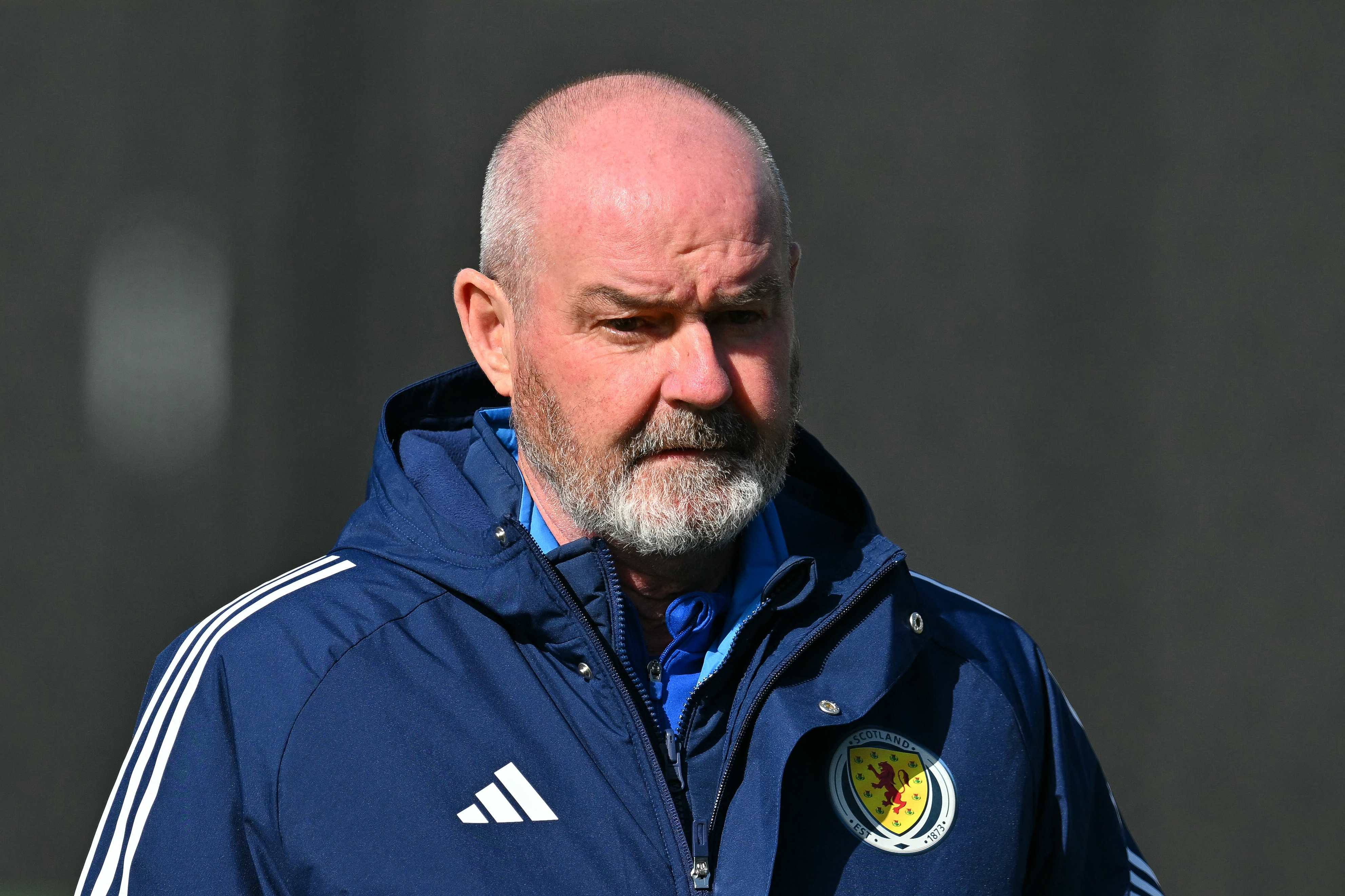
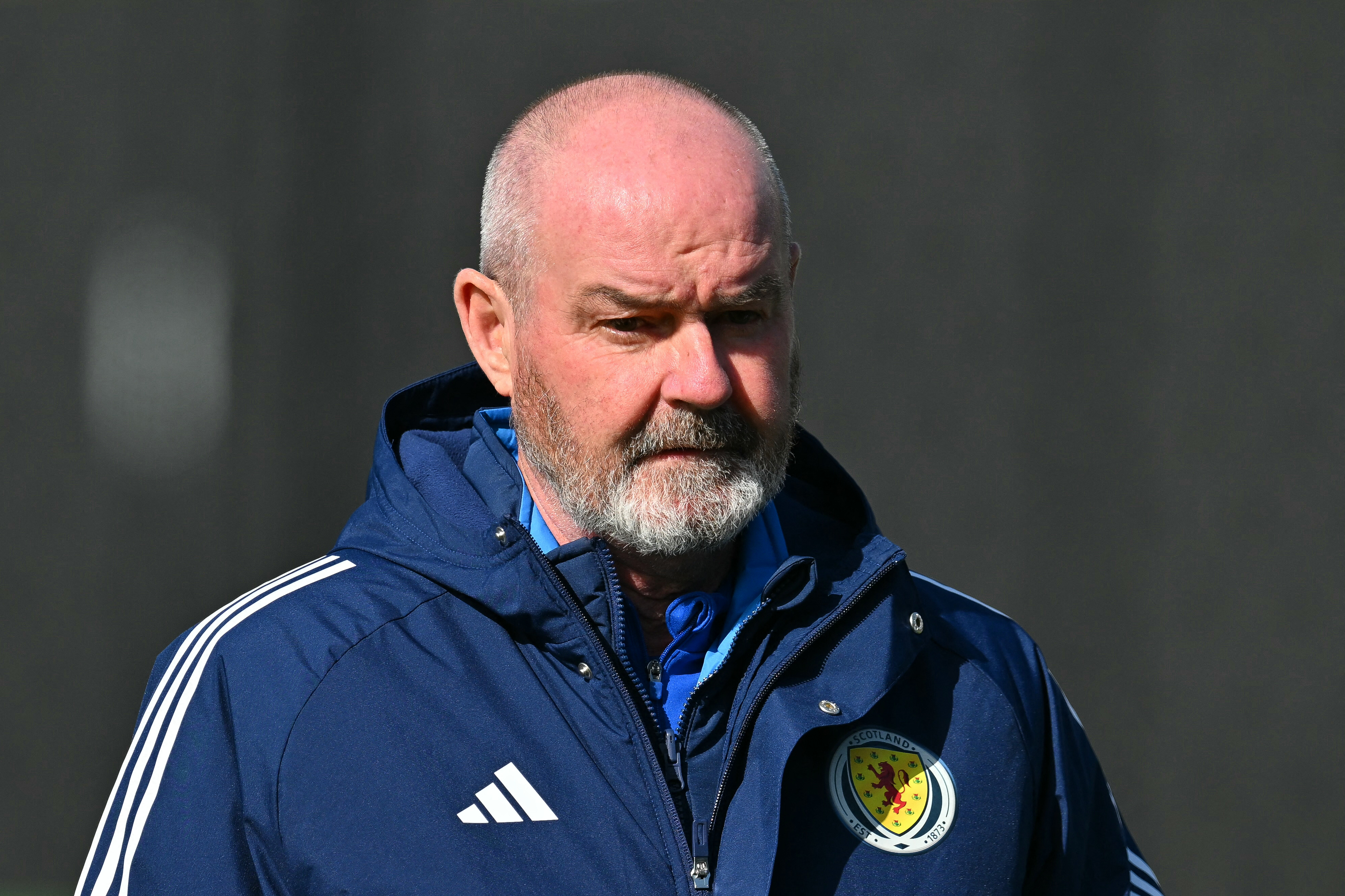
In his post-match press conference and a subsequent statement released via the Scottish FA, manager Steve Clarke addressed the fans directly with characteristic honesty and dignity. Clarke, who has transformed Scotland’s fortunes since taking charge in 2019—guiding them to Euro 2020, Euro 2024, and now this World Cup—acknowledged the disappointment while urging perspective.
“I want to thank every single supporter who has traveled here to Miami and those watching back home. You’ve been incredible, as always. This result hurts, and at this moment, it feels like we’re going home. Minus three on goal difference makes it very tough. But this group has given everything, and reaching the World Cup after 28 years is something no one should forget.”
Clarke spoke of “bad news” during the game—likely referring to the quick concession of goals and updates from the concurrent Morocco vs. Haiti fixture, which confirmed Brazil topping the group and Morocco securing second place. Scotland finished third with three points and a -3 goal difference, leaving their fate in the hands of other results as one of the best third-placed teams.
The 62-year-old Saltcoats native, praised as one of Scotland’s most successful managers, reflected on the campaign:
“We’ve come a long way. Qualification was special, and these players have worn the shirt with pride. The fans deserve better, but we’ll fight to the end. I need time to think about the future, but right now, the focus is on supporting these lads and seeing what the next few days bring.”
His words struck a chord, blending realism with the quiet optimism that has defined his tenure. Clarke has often emphasized building a competitive squad capable of competing at the highest level, evolving from a pragmatic defender into a manager who instills belief in underdogs.
The Road to 2026: A Historic Qualification
Scotland’s journey to the 2026 tournament was no small feat. Topping their UEFA qualifying group ahead of Denmark, Greece, and Belarus, they clinched automatic qualification with a memorable 4-2 win over the Danes in November 2025. It marked their return to the global stage after decades of near-misses.
Under Clarke, the team developed a resilient 3-5-2 or 5-3-2 setup, relying on the leadership of veterans like Robertson, Kieran Tierney (when fit), and the creativity of players such as Billy Gilmour. The inclusion of emerging talents added depth, though injuries and squad limitations were constant challenges.
The group draw pitted them against Brazil, Morocco, and Haiti—a tough but navigable path in the expanded 48-team format. The win over Haiti provided early momentum, but the Morocco defeat in Boston exposed vulnerabilities in transition defense. Against Brazil, those issues were magnified.
Broader Implications for Scottish Football
The defeat and potential early exit highlight ongoing debates about Scottish football’s infrastructure. With a population of just over five million, producing world-class talent consistently remains difficult compared to footballing powerhouses. Clarke’s success lies in organization, team spirit, and maximizing limited resources—qualities evident even in defeat.
Fans and pundits alike have rallied behind the manager. Former players and analysts noted the progress: qualification alone was a triumph. Social media buzzed with messages of pride mixed with frustration, the Tartan Army’s legendary reputation for fair play and passion shining through.
As Group C concluded with Brazil advancing as winners and Morocco in second, Scotland’s slim hopes rest on the best-third-placed calculation. With several groups still to play, mathematical possibilities exist, but Clarke’s “going home” comment reflected the grim probability.
Looking Ahead: Legacy and the Future
Regardless of the final outcome, this World Cup campaign has reignited passion for the national team. Clarke’s contract runs until 2030, providing stability. Speculation about his future will intensify if Scotland fail to advance, but his achievements—three major tournaments and a competitive showing—cement his place in history.
For the players, exposure to elite opposition like Vinícius, Neymar (limited involvement), and company serves as invaluable experience. Youngsters in the squad will return better equipped for future campaigns, whether in 2030 or club duties.
Clarke concluded his statement with a call to unity:
“To the fans—keep believing. Scottish football is on an upward curve. We’ve shown we belong at this level. The journey continues.”
In the grand theater of the World Cup, Scotland’s chapter in 2026 may be ending sooner than hoped, but the spirit endures. The Tartan Army will regroup, as they always do, ready for the next battle. Steve Clarke’s measured leadership ensures that disappointment fuels determination rather than despair.
As the tournament progresses without them—or perhaps with a miracle still possible—the legacy of this squad will be one of pride, resilience, and a reminder that even against giants like Brazil, Scotland stands tall. The bad news of the night was tempered by the enduring bond between team, manager, and fans.