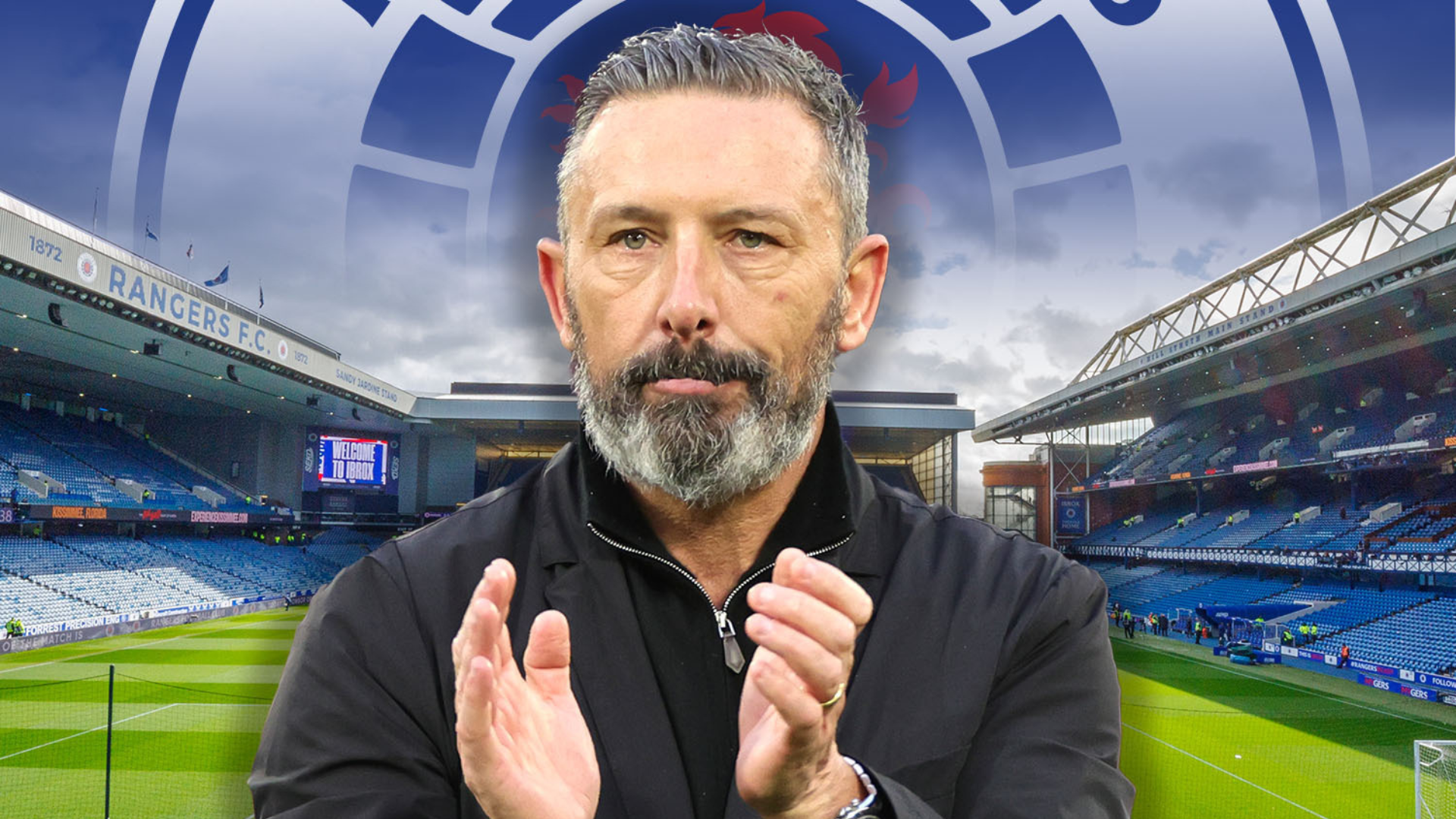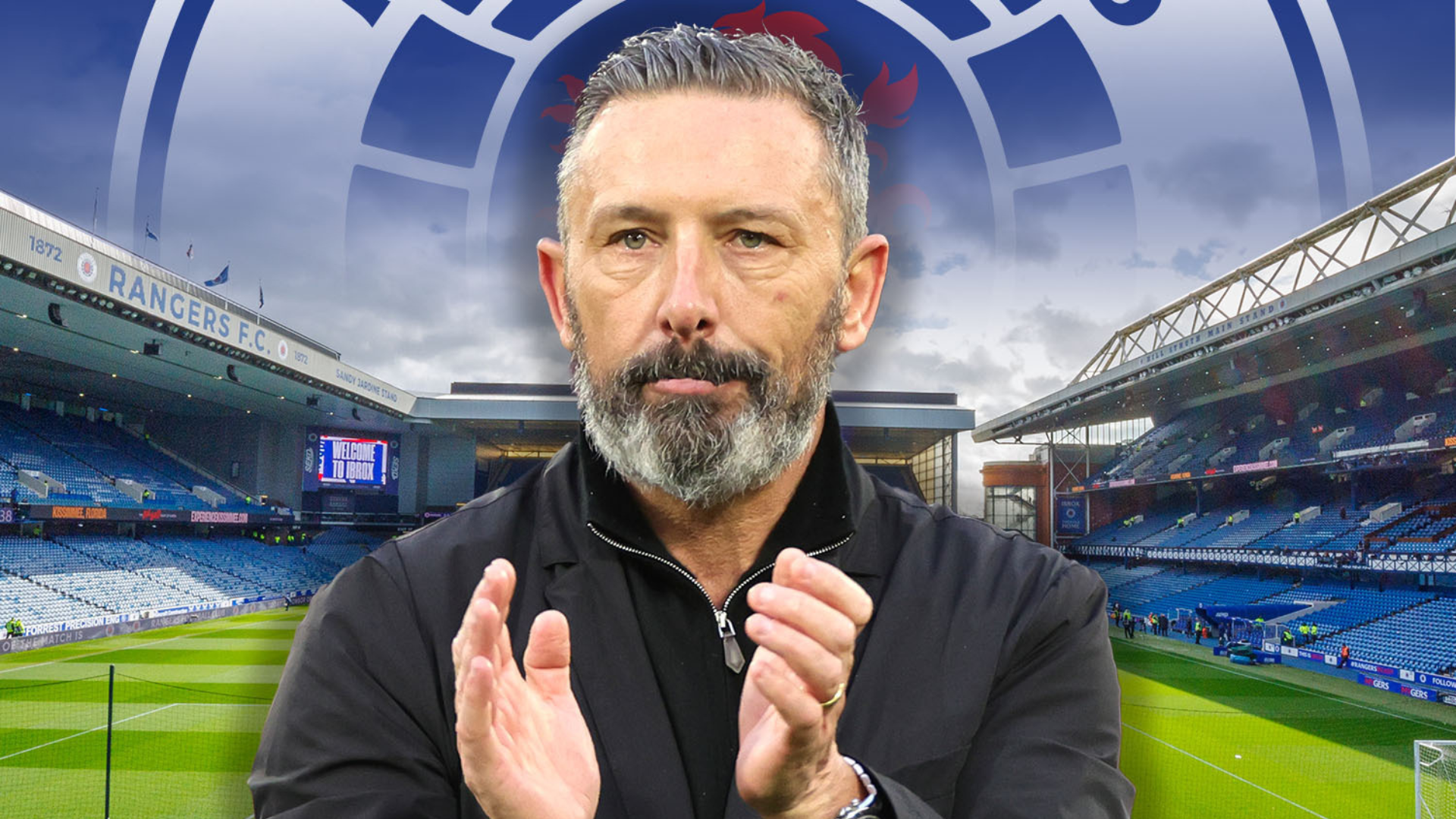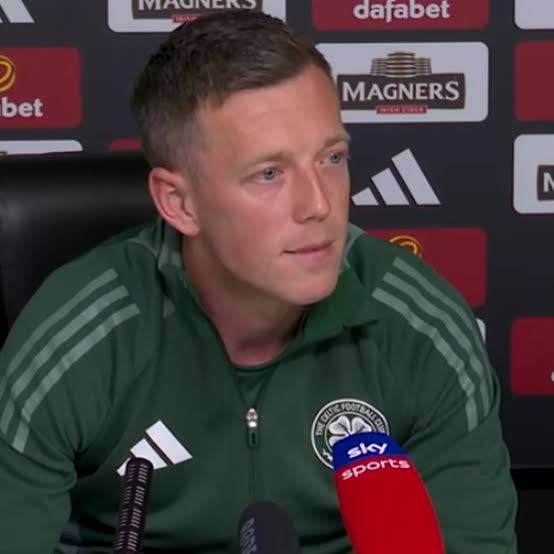
The latest flashpoint involving Callum McGregor and media outlets perceived to be aligned with Rangers F.C.
Once again highlights the fragile, often combustible nature of Glasgow’s football rivalry. His strong reaction to what he described as “embarrassing” disrespect toward the Celtic F.C. badge is not just about a social media post—it speaks to something much deeper embedded in the identity of both clubs.
For McGregor, a player who has come through the ranks at Celtic and now captains the side, the badge is more than a symbol stitched onto a shirt. It represents heritage, community, and pride. Any perceived slight—especially from sources linked to their fiercest rivals—will naturally provoke a response. His comments reflect the mindset of someone who understands the emotional weight carried by supporters, many of whom see such incidents as deliberate provocations rather than harmless content.
From a broader perspective, this situation also exposes the blurred lines between media, fan culture, and club allegiance. In an era where digital platforms amplify every post, meme, or graphic, the responsibility on media outlets—whether officially affiliated or not—has never been greater. What may have been intended as banter can quickly escalate into controversy, particularly in a rivalry as historically charged as Celtic versus Rangers.
There is also a leadership dimension to McGregor’s reaction. As captain, his voice carries authority, and speaking out sends a clear message to both fans and external parties: Celtic will not tolerate what they perceive as disrespect. It reinforces unity within the dressing room and among supporters, but it also risks further inflaming tensions. That balance—between defending the club and avoiding unnecessary escalation—is one every leader in football must navigate carefully.
From a Nigerian and wider global perspective, where many fans follow Scottish football from afar, moments like this add to the drama and intensity that make the fixture compelling. However, they also serve as reminders of how quickly narratives can shift from sport to controversy. Supporters want passion, but they also expect a level of respect that preserves the integrity of the game.
Ultimately, McGregor’s outburst underscores a simple truth: in football, symbols matter. The badge is sacred, and in rivalries like this, even the smallest perceived insult can ignite a much larger debate about respect, identity, and the role of media in shaping football culture.