Leeds United have multiple areas they clearly need to strengthen if they want to further cement themselves as a Premier League side next season.
A new goalkeeper would seemingly be at the top of this list. Alongside that, more depth and quality competition will be needed at wing-back and up front.
But, United undoubtedly also need to recruit some more quality in the final third. A playmaker who can play off the right and centrally is a necessary piece of business the 49ers must conduct. Facundo Buonanotte is set to return to Brighton after his disastrous loan spell in West Yorkshire.
Arne Slot’s Liverpool exit could complicate a potential Harvey Elliott deal for Leeds United
Harvey Elliott is a player who fits this bill. But, a deal for the Englishman may have just become far more complicated amid the latest news at Anfield.
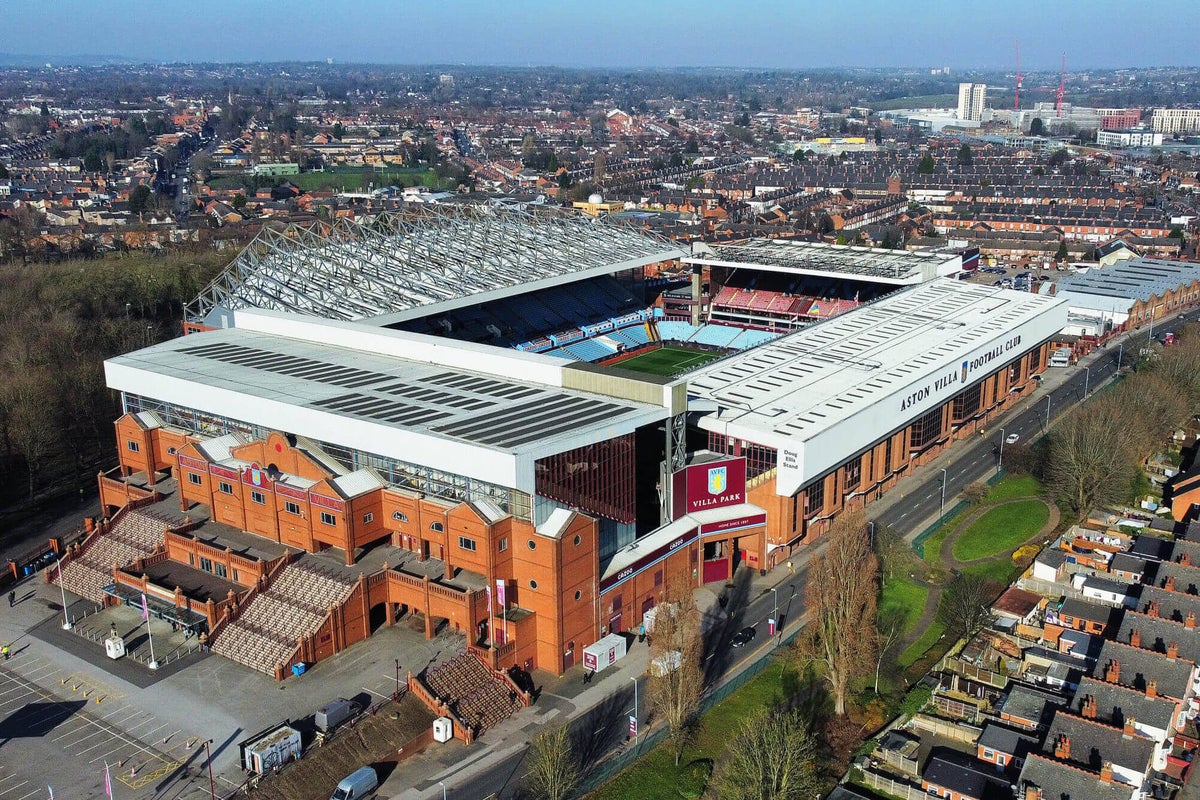
After a loan spell at Aston Villa in which Elliott rarely featured, the 23-year-old is set to return to Liverpool later this month.
Arne Slot handing Elliott just two Premier League starts during the 2024/25 campaign as Liverpool won the title. So, it seemed to be a certainty that Elliott would be sold upon his return to Merseyside this summer.
However, the Dutch manager has left Liverpool after just two seasons in charge. Now, this could potentially give Elliott one last chance to impress their new manager once Liverpool appoints Slot’s successor.
If a new manager were to come in and take a liking to the playmaker, it would be a big blow for Leeds, who have been tipped to sign Elliott. And, it could make a potential deal far more expensive as a result.
Because of this, Daniel Farke and Co. may be keeping a closer eye on Liverpool’s manager appointment than initially anticipated. It has the potential to ruin any ambitious transfer plans they may have had.
At the time of writing, departed Bournemouth man Andoni Iraola looks set to take over at Anfield. That’s according to Fabrizio Romano, who reported as such over the weekend following Slot’s exit.
Harvey Elliott could be a cheaper alternative to Georginio Rutter for Leeds United
With Rutter being speculated by supporters for a move back to West Yorkshire as of late, Elliott could prove to be a cost-effective alternative to the Frenchman. Both players have the ability to play out on the right as well as a number ten.
Particularly if Liverpool’s new manager deems Elliott surplus to requirements, the Englishman could be available for a cut-price fee. That’s especially compared to Rutter, who you imagine would cost in and around the £40million region. Brighton will surely want to at least break even, if possible, on their investment.
An emotional Elland Road return for Rutter would likely be the more popular choice within our fanbase as opposed to a move for Elliott. But, picking up the Liverpool man for a smaller fee and reviving his career at Leeds could prove to be an incredibly shrewd move from the 49ers.
But even if moves for Elliott or Rutter do not end up materialising this summer, it is certainly a weak point in Farke’s squad that needs to be addressed.
The Tactical Vacuum in Farke’s Engine Room
To truly understand why Daniel Farke is casting longing glances towards Anfield, one must examine the fundamental mechanics of Leeds United’s current setup. Under Farke’s stewardship, Leeds have transitioned into a side that thrives on rapid vertical transitions and intricate positional play in the final third. However, the system relies heavily on a creative fulcrum—a dynamic “number ten” who can effortlessly drift between lines, draw out opposition center-backs, and feed the overlapping wing-backs.
Last season, the creative burden fell unequally on a midfield that often lacked the spatial awareness required to unlock stubborn Premier League low-blocks. When teams sat deep at Elland Road, Leeds frequently looked toothless, recycling possession harmlessly across the face of the penalty box. The failure of the Facundo Buonanotte experiment only exacerbated this issue, leaving Farke without a dynamic operator capable of turning a match on its head with a single piece of individual brilliance.
Harvey Elliott represents the quintessential modern attacking midfielder that Farke covets. At his best, Elliott combines the industrious pressing required of a modern Premier League midfielder with the delicate touch of a traditional continental playmaker. His low center of gravity and exceptional vision make him a nightmare to mark in tight spaces, a trait that would instantly transform Leeds from an predictable counter-attacking side into a multifaceted offensive threat.
The Shadow of Elland Road’s Past Successes
Transfer windows are as much about managing the psychology of a fanbase as they are about balancing the financial ledgers. For Leeds United supporters, the summer market brings a mixture of deep-seated anxiety and wild optimism. The names of past heroes constantly echo around West Yorkshire, and the romantic narrative of bringing Georginio Rutter back to the club has dominated social media forums for weeks.
Rutter’s previous stint in a white shirt left an indelible mark on the supporters, who appreciated his flair, work rate, and undeniable ceiling. Yet, football operations under the 49ers Enterprises must be governed by cold, hard data rather than raw emotion. With Brighton demanding a massive fee just to recoup their original expenditure, pursuing Rutter could completely cannibalize Leeds’ summer transfer budget, leaving other critical areas of the squad dangerously exposed.
This is where the analytical approach of the 49ers comes into sharp focus. By pivoting to Elliott, Leeds would be targetting a player with an arguably higher statistical ceiling in terms of progressive passes and expected assists (xA) per ninety minutes, but at a fraction of the market cost. Reviving the career of a discarded top-six prodigy is a proven market strategy, one that Leeds must master if they are to bridge the financial chasm that exists between the established elite and the rest of the top flight.
Andoni Iraola and the Anfield Reset
The impending arrival of Andoni Iraola at Anfield throws a massive spanner into the works for the Elland Road recruitment team. Iraola, revered for his high-octane, aggressive pressing style during his tenure at Bournemouth, represents a complete tactical departure from the possession-heavy philosophy of Arne Slot. This systemic shift could completely redefine the internal hierarchy of the Liverpool squad, transforming current outcasts into indispensable tactical cogs overnight.
Elliott’s primary criticism during his limited minutes under Slot was a perceived lack of raw defensive intensity and physical presence in a crowded midfield trio. Under Iraola, however, technical players who can press intelligently and transition at breakneck speed are highly valued. If the incoming Basque manager views Elliott as the perfect energetic hybrid winger-midfielder to execute his intense tactical blueprints, the door to an exit will be slammed firmly shut.
Consequently, the recruitment staff at Leeds find themselves in a agonizing holding pattern. They cannot afford to wait indefinitely for Liverpool to sort out their managerial transition, as other primary targets will inevitably move elsewhere. Yet, the reward for patience is massive; if Iraola brings in his own trusted personnel and deems Elliott truly surplus to requirements, Leeds will be waiting at the front of the queue, ready to offer the young midfielder the guaranteed starting role his development so desperately requires.
A Pivotal Summer for the 49ers Blueprint
Ultimately, the pursuit of Harvey Elliott is a litmus test for Leeds United’s long-term ambitions under their American ownership group. The 49ers have promised a sustainable, elite-level infrastructure capable of re-establishing Leeds as a permanent fixture in the top tier of English football. To achieve this, they must prove they can navigate these complex, multi-layered transfer sagas and beat out rival Premier League outfits for elite domestic talent.
If the Elliott deal collapses under the weight of an Anfield resurgence, the pressure on Daniel Farke to find an alternative savior will intensify exponentially. The Championship is littered with clubs that failed to properly address their creative deficiencies upon promotion, and the Premier League is entirely unforgiving to squads that lack a cutting edge in the final third.
Whether it is a revived pursuit of Rutter, an ambitious swoop for Elliott, or an unheralded gem uncovered by the scouting data, Leeds United must find their creative spark before the August deadline arrives. The margins between mid-table security and a grueling relegation dogfight are razor-thin, and the decisions made in the boardrooms of Elland Road over the coming weeks will echo throughout the entirety of the upcoming campaign.