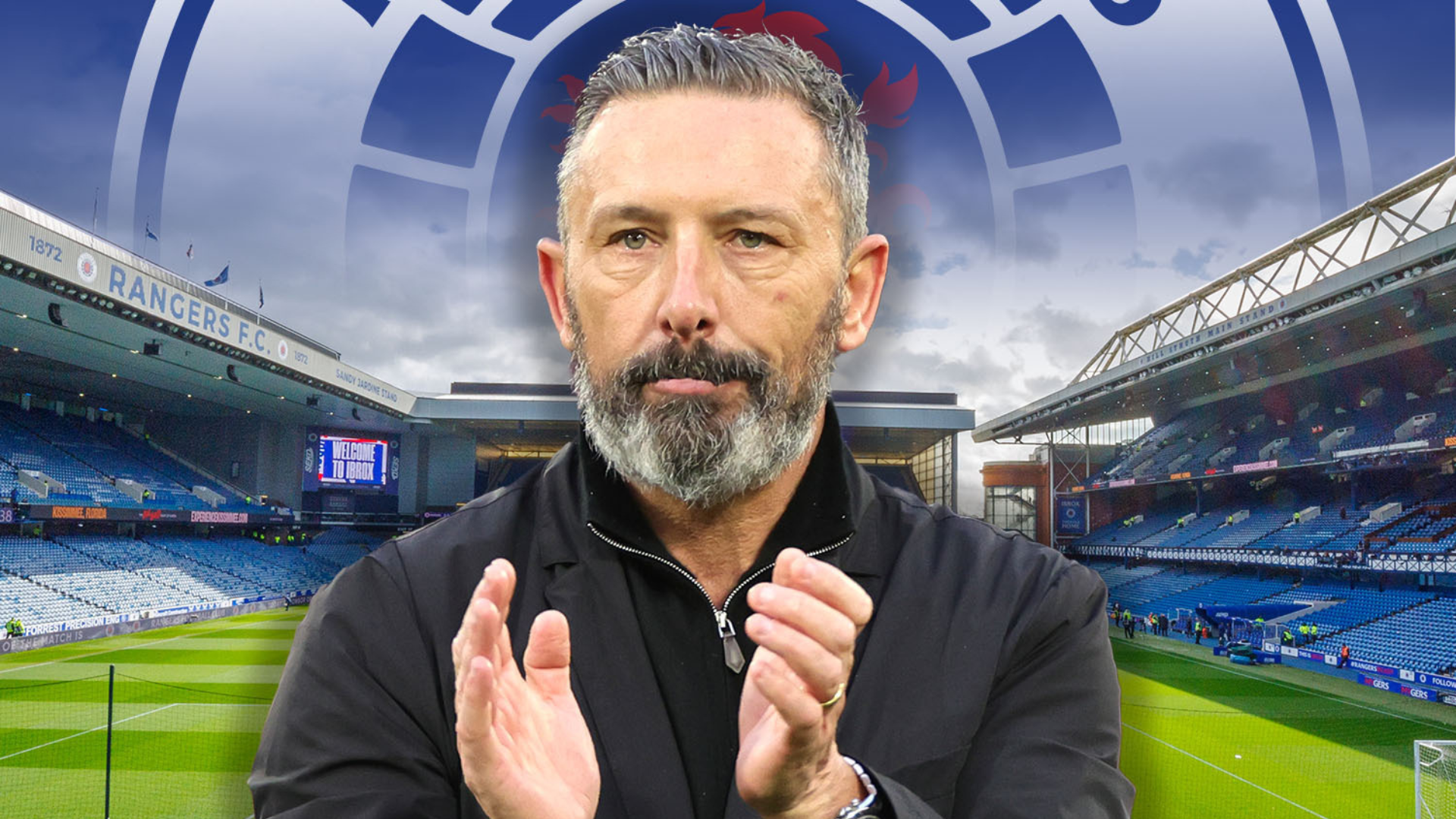
The Old Firm title race of 2007/08 wasn’t just football — it was a war. Rangers, under Walter Smith, were battling on two fronts: chasing the Scottish Premier League while marching all the way to the UEFA Cup Final in Manchester. Celtic, managed by Gordon Strachan, looked dead and buried at one point, trailing by as many as seven points with games running out. Then, suddenly, the Hoops went on a staggering run, won both crucial head-to-heads at Parkhead, and clinched the title on the final day with a three-point gap. Glory for Celtic. Heartbreak for Rangers.
But nearly two decades later, fresh scrutiny is exploding around that “triumph.” Leaked or newly surfaced documents, whispers of UEFA involvement, secret high-level meetings, and a mountain of unanswered questions are putting Celtic’s 2008 crown firmly back in the firing line. This isn’t ancient history or paranoid conspiracy — it’s about **sporting integrity**, fixture manipulation, and whether the powers that ran Scottish football bent over backwards to stop Rangers completing a historic double while exhausted from Europe.
### The Fixture Pile-Up That Changed Everything
Let’s set the scene properly. Rangers reached the UEFA Cup Final against Zenit St Petersburg (they lost 2-0). To get there, they played a brutal schedule. The SPL and SFA faced a genuine dilemma: how to fit in Rangers’ remaining league fixtures without destroying fairness.
Rangers had a backlog. Postponements and European commitments left them with multiple games in hand. The sensible, fair solution? Extend the season slightly to give everyone proper recovery time and preparation. This wasn’t unprecedented — football authorities do it for clubs in European finals all the time.
Instead, what happened? Rangers were crammed into a punishing run: five games in 11 days at the end of the season, including matches against Motherwell, St Mirren, and Aberdeen right after the UEFA Cup Final. They lost the final on 14 May, then played on 17 May and 19 May, before facing Aberdeen on 22 May. Celtic, meanwhile, had a much more civilized schedule and sealed the title with a win over Dundee United while Rangers dropped points.
Former SFA president **George Peat** later dropped a bombshell. He revealed that a “prominent chairman” of a club (widely understood in the context to be linked to Celtic circles) called him and urged: “Do not help Rangers in any way.” Peat said he was disappointed by the call, as the SFA and SPL (under Lex Gold) had discussed extending the season for fairness. That request was apparently ignored or blocked.
Gordon Strachan has always insisted Celtic earned it on the pitch, clawing back from behind with strong-minded players and key wins, including those two victories over Rangers at home. Fair play to the players who performed — but the **context** of the scheduling stinks of interference.
### Secret Meetings, Influence, and “Sporting Integrity” Hypocrisy
Celtic publicly preached “sporting integrity” during that period. They complained bitterly about any suggestion of extending the season, arguing it would give Rangers an unfair advantage or disrupt the calendar. Yet critics point out the blatant double standard: when it suited them, the narrative flipped.
Reports and later recollections describe tense discussions behind closed doors. The SPL even published alternative fixture lists depending on whether Rangers reached the final — an unusual move that fueled suspicion. Rangers’ CEO Martin Bain pushed for a later finish date (up to 27 May). Celtic pushed back hard against any help for their rivals.
Fast forward to recent years: resurfaced claims, old emails, meeting notes, and references to UEFA-level documents are being circulated in fan forums and blogs (including sites like allbankscode that have teased “Scottish Football Scandal: Celtic Football Club Sandal in 2008 Title Influence Scandal Exposed”). While mainstream outlets haven’t fully dived in with hard proof yet, the pattern is familiar — pressure from one side of the Old Firm to deny the other any leniency while they were chasing European glory.
Rangers weren’t asking for special treatment. They were asking for **basic fairness** so their players weren’t zombies by the final league games. Instead, they were run into the ground. Celtic capitalized perfectly, winning seven straight league games at one stage. Coincidence? Or the result of a system that quietly favored one club?
### Unanswered Questions That Won’t Go Away
– Who exactly was the “prominent chairman” who phoned George Peat demanding no help for Rangers?
– Were there recorded or minuted meetings between SPL/SFA officials and club representatives where Celtic’s influence was brought to bear?
– What role, if any, did UEFA documents play? European governing bodies monitor fixture congestion for clubs in their competitions — did any correspondence or guidance get ignored or selectively applied?
– Why was the season not extended even by a few days when it was clearly the equitable option for all teams?
– How much did off-field pressure and “sporting integrity” rhetoric actually mask self-interest?
These aren’t tinfoil-hat questions. George Peat’s own admission in 2018 opened the door, and periodic revivals (including in 2026 social media storms) keep it alive because the wounds never fully healed for Rangers fans. Celtic fans rightly celebrate on-pitch achievements, but ignoring the scheduling context is willful blindness.
Compare it to other leagues: clubs reaching European finals often get fixture adjustments. The idea that Rangers — a club that had earned its European run through merit — should be punished with a brutal schedule while their title rivals got breathing room feels like classic Scottish football parochialism at its worst.
### The Bigger Picture: Integrity in Scottish Football
This isn’t about hating Celtic. It’s about whether the 2008 title was won cleanly or handed on a plate through administrative decisions that lacked neutrality. Scottish football has a long, ugly history of Old Firm paranoia, referee controversies, and governance failures. The EBT tax case saga with Rangers led to endless stripping debates — yet when questions arise about fixture fairness favoring Celtic, suddenly it’s “move on, it was 18 years ago.”
No. If new documents, emails, or witness accounts are emerging that point to undue influence, secret lobbying, or ignored UEFA guidance, then the title **must** be re-examined. Strip it if evidence proves manipulation. Shared titles, asterisks, or official inquiries — whatever restores truth.
Rangers had the squad, the momentum, and the European distraction that should have been mitigated, not weaponized. Celtic’s comeback was impressive on paper, but the playing field wasn’t level.
### Time for Transparency — Or Another Cover-Up?
Fans on both sides deserve answers. Celtic supporters can point to their team’s resilience and Strachan’s tactical nous. Rangers supporters can point to exhausted legs and off-field gamesmanship. The only way forward is full disclosure: release any relevant meeting minutes, emails, calls logs, and UEFA correspondence from that spring of 2008.
Until then, the asterisk remains. Celtic’s 2008 title is back under the microscope — and rightly so. Sporting integrity isn’t a slogan to be wheeled out when convenient and ignored when it hurts your rivals. It’s a principle that should apply equally, even (especially) in the fiercest rivalry in football.
The beautiful game was ugly that year behind the scenes. The documents, the meetings, the questions — they all demand an honest reckoning. If Celtic truly earned it, they have nothing to fear. If not, the crown never truly belonged to them.
What do you think — earned on merit, or helped over the line? The debate rages on, but the firing line is hotter than ever.