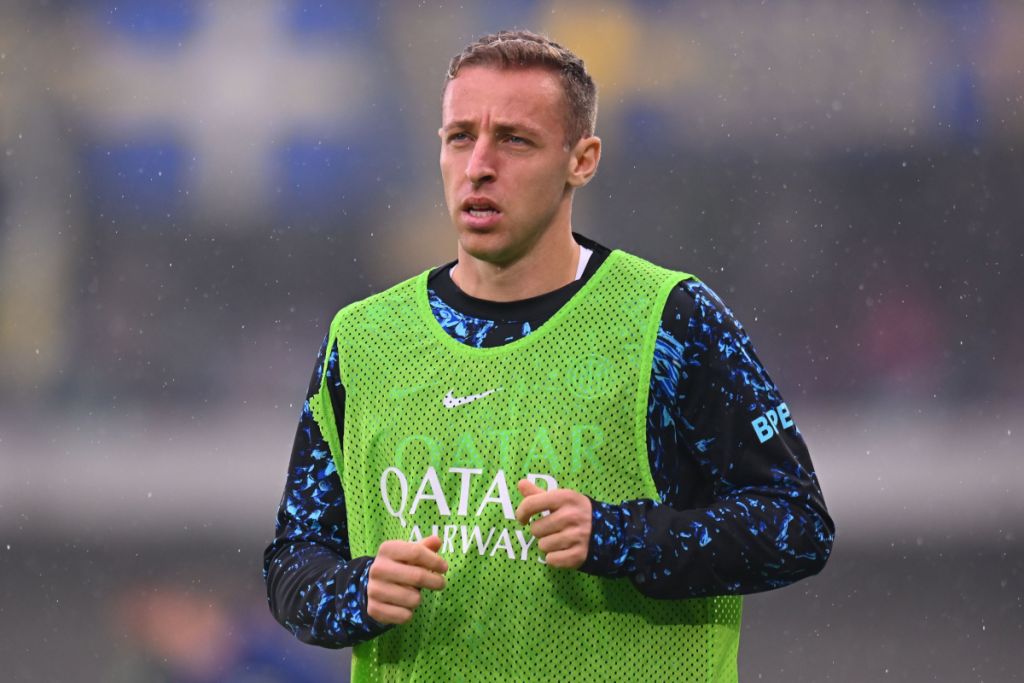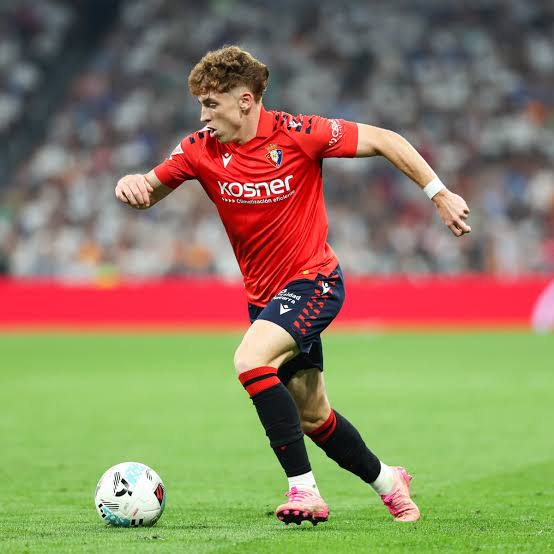
Reports suggesting that Rangers FC could be handed the largest transfer budget in Scottish football history have sent shockwaves across the domestic game. In a league historically defined by financial restraint and cautious spending, such a development would represent a seismic shift—not only for Rangers but for the entire competitive landscape of Scottish football.
The claim that “nobody stands a chance” may sound exaggerated at first glance, but when placed in the context of recent financial trends, European ambitions, and growing pressure to reclaim dominance from Celtic FC, it begins to carry real weight.
This article explores the timeline behind this development, the financial and tactical implications, fan reactions from both the UK and Nigeria, and what it could ultimately mean for the future of Scottish football.
Timeline: How Rangers Reached This Point
1. Post-Rebuild Stabilisation (2022–2024)
Following years of financial instability and rebuilding, Rangers gradually returned to a position of relative strength. Careful recruitment, improved European performances, and consistent domestic competitiveness allowed the club to stabilise its finances.
Participation in UEFA competitions—particularly the UEFA Europa League—provided vital revenue streams. Matchday income at Ibrox, combined with broadcasting and commercial deals, further strengthened their position.
2. Closing the Gap with Celtic (2024–2025)
While Celtic maintained a financial edge, Rangers began to close the gap through smarter recruitment and tactical evolution. The rivalry intensified, with both clubs trading blows domestically.
However, a recurring issue for Rangers remained:
Lack of squad depth
Inconsistency in key moments
Limited financial flexibility compared to Celtic
This is what makes the prospect of a “record-breaking budget” so significant—it directly addresses these long-standing weaknesses.
3. New Investment and Strategic Shift (2025–2026)
The current reports are rooted in expectations of:
Increased investor backing
Improved commercial revenue
Strategic push for European relevance
If confirmed, this would mark a transition from sustainable rebuilding to aggressive growth—a move rarely seen in Scottish football.
Financial Context: What “Biggest Budget” Really Means
Scottish clubs traditionally operate with far smaller budgets than Europe’s elite. Even the largest spenders in the league rarely exceed £20–30 million in a single window.
A “record-breaking budget” for Rangers could realistically mean:
£30m–£50m available for transfers
Significant wage increases to attract higher-calibre players
Greater flexibility in negotiations
Comparison with Rivals
Celtic have often relied on player trading models (buy low, sell high)
Rangers adopting a spend-to-compete model would represent a major philosophical shift
Tactical Analysis: What Rangers Would Do with a Huge Budget
1. Strengthening the Spine
A major investment would likely focus on:
A dominant centre-back
A controlling central midfielder
A clinical striker
These are the areas that define success in both domestic and European competitions.
2. Increasing Squad Depth
One of Rangers’ biggest issues in recent seasons has been squad fatigue. Injuries and fixture congestion—especially during European campaigns—have exposed the lack of quality beyond the starting XI.
A larger budget allows for:
Two strong players per position
Rotation without loss of quality
Tactical flexibility
3. European Ambition
With increased spending, expectations would rise dramatically:
Qualifying for the UEFA Champions League group stages
Competing beyond the knockout rounds
Improving UEFA coefficient ranking
Fan Reactions: Excitement, Doubt, and Pressure
UK Perspective
Among Rangers supporters, the reaction has been a mix of excitement and cautious optimism. Many see this as the club’s opportunity to:
Reassert dominance domestically
Compete financially with Celtic
Make a serious impact in Europe
However, there is also scepticism. Scottish football has seen bold claims before, and fans are wary of:
Overpromising
Financial risks
Poor recruitment decisions
Nigerian Perspective 🇳🇬
Rangers have a growing following in Nigeria, particularly among fans who follow European football closely. The reaction here reflects a broader trend:
Excitement about the possibility of African talents being targeted
Interest in whether Rangers will scout more aggressively in African leagues
Curiosity about how increased spending will impact squad diversity
For Nigerian fans, a bigger budget often signals opportunity—especially for emerging players seeking a pathway into European football.
The Celtic Factor: Why This Matters More Than Ever
No discussion about Rangers can ignore Celtic. The Glasgow rivalry is one of the most intense in world football, and financial balance plays a crucial role.
If Rangers truly gain a financial edge:
Celtic may be forced to increase spending
The transfer market within Scotland could inflate
The title race could become more unpredictable
This could mark the beginning of a financial arms race between the two clubs.
Broader Implications for Scottish Football
1. League Competitiveness
A significant increase in Rangers’ budget could widen the gap between:
The “big two” (Rangers and Celtic)
The rest of the league
This raises questions about competitive balance.
2. Attracting Talent
Higher spending power means:
Better players choosing Scotland over mid-tier European leagues
Increased global visibility for the Scottish Premiership
3. Financial Sustainability Risks
While ambitious spending can bring success, it also carries risks:
Breaching financial regulations
Long-term debt
Dependency on continued investment
Clubs must still comply with rules set by UEFA, particularly financial sustainability guidelines.
Reality Check: Does “Nobody Stands a Chance” Hold Up?
The statement is powerful—but is it accurate?
Why It Might Be True
Significant financial advantage
Improved squad depth
Momentum shift in the league
Why It Might Not
Football is not purely financial
Recruitment success is not guaranteed
Celtic remain a well-run, financially stable club
In reality, success will depend less on the size of the budget and more on how effectively it is used.
Conclusion
The possibility of Rangers receiving the biggest budget in Scottish football history represents a potential turning point. It signals ambition, intent, and a desire to compete not just domestically, but on the European stage.
However, history has shown that money alone does not guarantee success. Recruitment strategy, tactical cohesion, and long-term planning will ultimately determine whether this moment becomes:
A new golden era for Rangers
Or another missed opportunity
What is certain is this: if the reports prove accurate, Scottish football is about to enter one of its most intriguing and competitive periods in years.