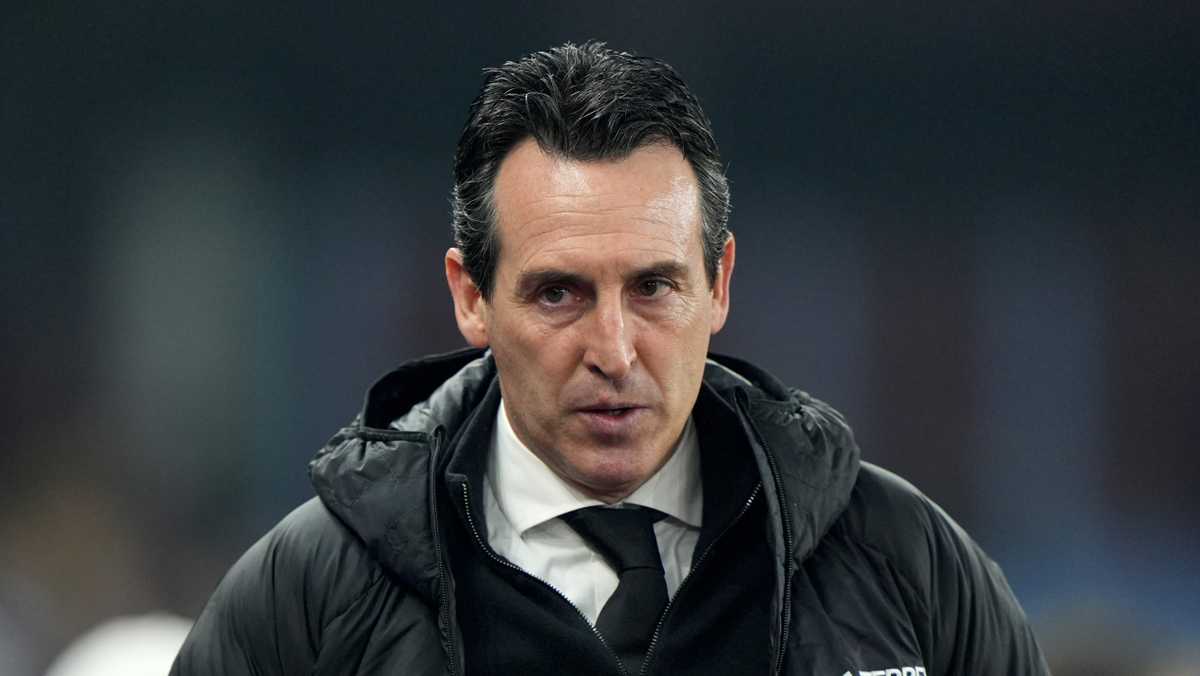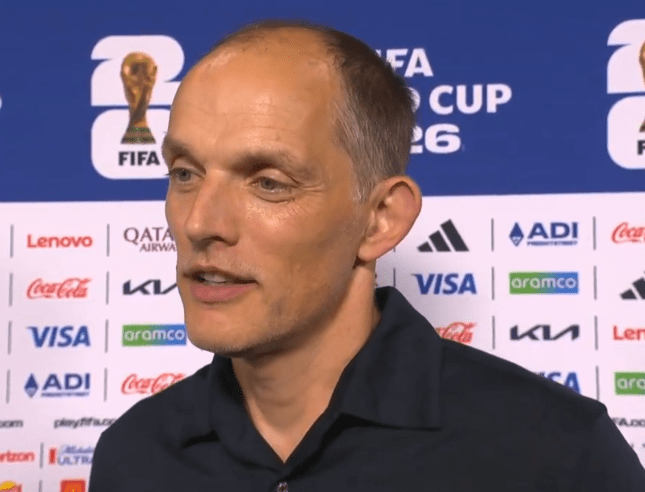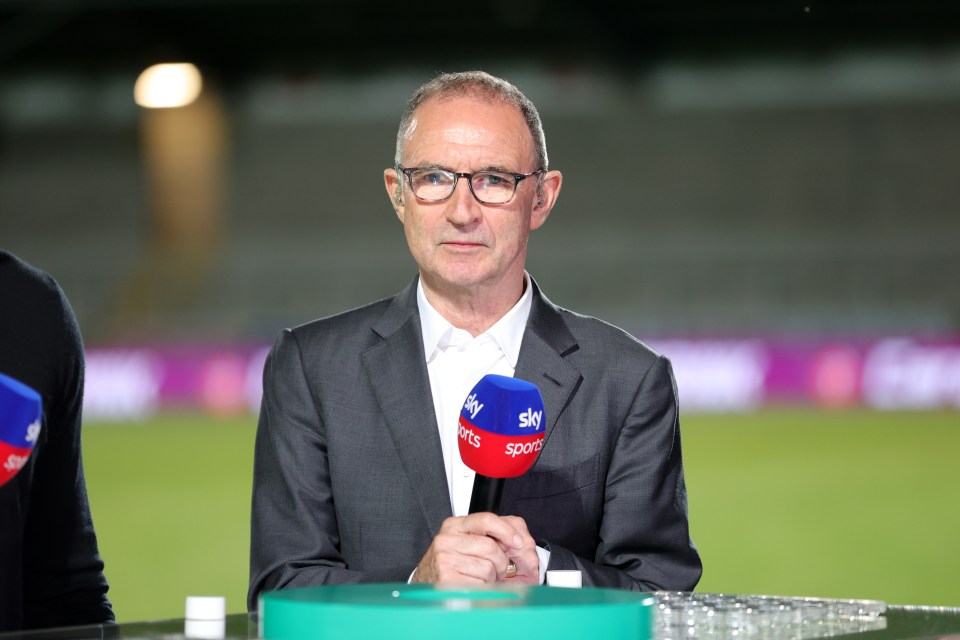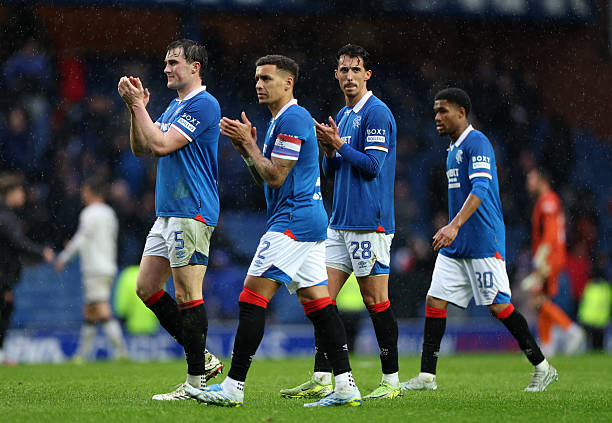
The headlines coming out of Ibrox this week have been nothing short of a whirlwind. While the blue half of Glasgow has been bracing for the emotional farewell of captain James Tavernier, a much quieter—but perhaps more damaging—exit is brewing in the background.
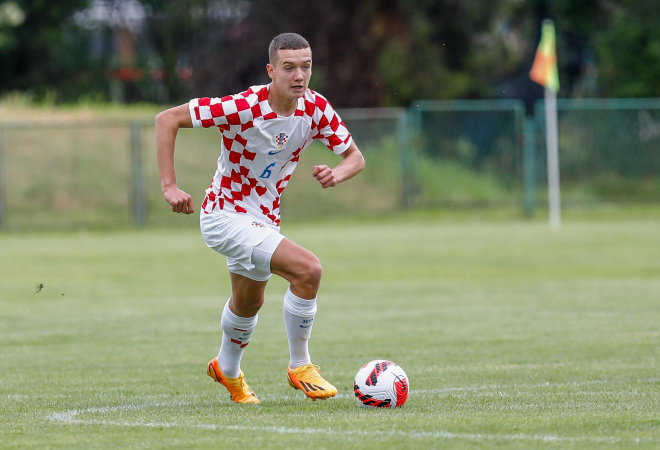
Reports have intensified that 19-year-old midfield starlet Bailey Rice has officially rejected a new contract offer from the club. With transfer experts like Fabrizio Romano confirming interest from European giants Ajax and a concrete offer already on the table from Schalke, the narrative has shifted from “prospect for the future” to “frozen out in the present.”
The “Sign or Sit” Ultimatum
The headline currently doing the rounds—suggesting a player has been told they won’t play again until a new deal is signed—fits Rice to a T. Since Danny Röhl took the reins, the club has operated with a “commitment-first” philosophy.
For Rice, who was once seen as the crown jewel of the Rangers Academy, the path to the first team has been stalled by a combination of a serious knee injury in late 2025 and a clear board-level directive: If you aren’t part of the long-term project, you aren’t part of the matchday squad.
A Repeat of the “Doak” Disaster?
Rangers fans are feeling a frustrating sense of déjà vu. We’ve seen this script before. Whether it was Ben Doak at Celtic or Rangers losing young talents to the Premier League and Bundesliga before they’ve even had a chance to properly celebrate an Ibrox goal, the “Scottish Drain” is real.
Rice is a rare profile: a left-footed deep-lying playmaker with the physical presence to handle the Scottish Premiership. Losing him for a nominal training compensation fee—especially when clubs like Ajax are circling—is a massive blow to the club’s player-trading model.
Why the Standoff is Happening Now
- The Danny Röhl Standard: The manager has been clear that he only wants players who are “100% focused on the Rangers vision.” With Rice’s representatives reportedly “open to options,” Röhl has leaned on the likes of Nicolas Raskin and Connor Barron.
- The Schalke Factor: Schalke have reportedly made a formal offer on personal terms. For a young player, the lure of the Bundesliga (where youth development is often prioritized over veteran experience) is a difficult thing for Rangers to compete with.
- The Injury Timing: Rice’s LCL injury in November 2025 couldn’t have come at a worse time. It robbed him of the chance to prove himself to the new manager on the pitch, leaving contract negotiations to happen in boardrooms rather than being settled by performances.
The Verdict: A Talent Wasted or a Necessary Hardline?
There are two ways to look at the “dropped until he signs” policy:
- The Pragmatic View: Why give minutes to a player who will be wearing an Ajax or Schalke shirt in three months? Use those minutes to develop players who are staying.
- The Emotional View: Rice is a generational talent. By freezing him out, the club has arguably pushed him closer to the exit door rather than convincing him that Ibrox is the best place to grow.
As we head into the final weeks of the 2025/26 campaign, it looks increasingly likely that Bailey Rice has played his last game in blue. In a season defined by transition and the departure of legends like Tavernier, losing a future star like Rice might be the bitterest pill for the fans to swallow.
What do you think? Should Rangers have done more to keep Rice, or is the club right to take a hardline stance on contract rebels?