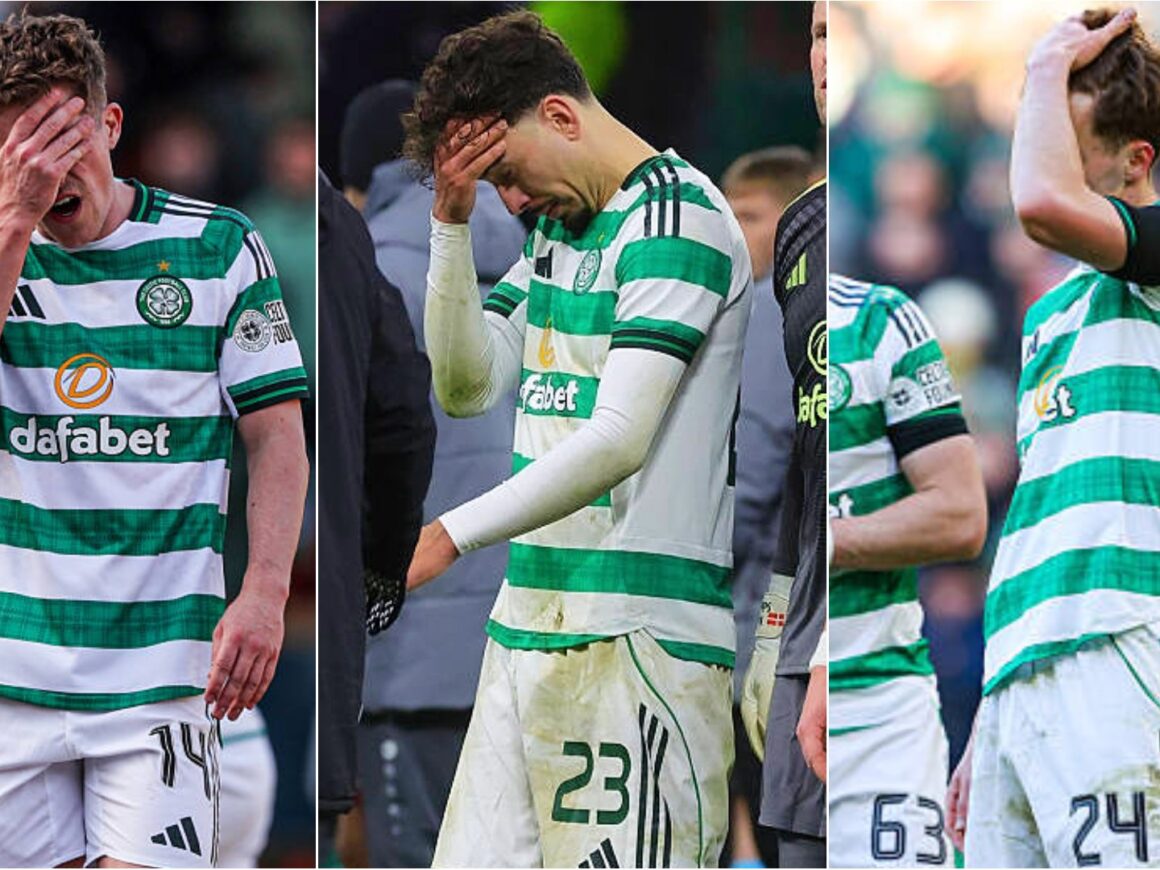
Celtic is not an easy place to survive.
From the outside, it looks like a dream. The stadium, the history, the expectation of winning every week.
It is the kind of stage young players imagine themselves stepping onto. The kind of move that feels like the beginning of something big.
But inside that environment, things can change quickly.
Because when the games stop coming, when the rhythm disappears, when you are no longer part of the story unfolding on the pitch, the noise fades. And what is left behind can feel a lot heavier than anyone expects.
That is the side of football most people never see.
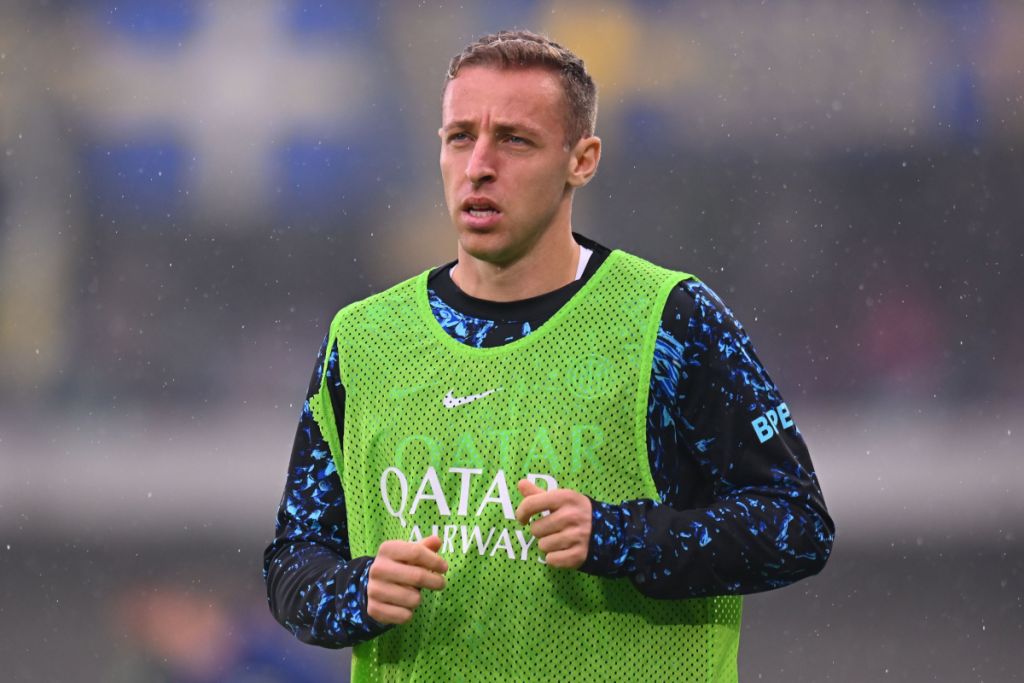
Odin Thiago Holm arrived in Glasgow with belief and identity already tied to the game. He admired greatness so much that he reshaped his own name around it, taking on Thiago in tribute to one of his idols. It was more than just admiration. It was a statement about the kind of player he wanted to become.
Celtic saw that potential. A £2.6 million move from Valerenga suggested trust in his ability, a sense that he could grow into something important at the club.
But football does not always move in straight lines.
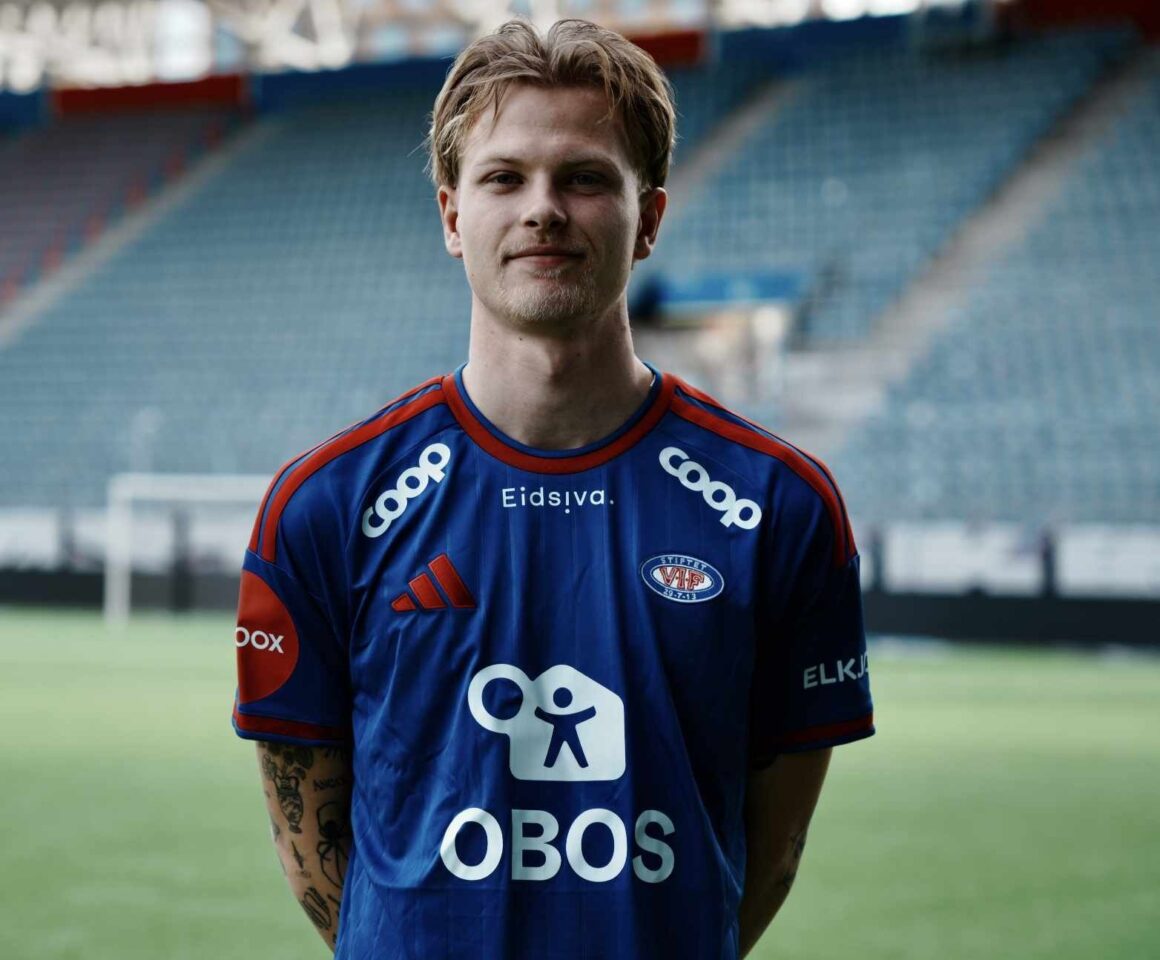
Minutes were limited. Opportunities came in small bursts and then disappeared. Sixteen appearances. One goal. A record that does not fully explain the experience, but hints at the struggle beneath it.
Because what matters is not just what happens on the pitch, but everything that happens in between.
The waiting. The uncertainty. The feeling of being close, but not quite involved.
Holm tried to reset.
A move to LAFC in early 2025 offered a fresh start. A different league, a new environment, a chance to rebuild momentum. But just as things began to take shape, everything was disrupted again.
Five appearances. Then a serious leg injury.
Not just a setback, but something far more difficult to deal with. At one point, the physical impact was so severe that Holm described himself as feeling “half paralysed”. That kind of experience changes how a player sees everything, not just the game, but his place within it.
And when you combine that with everything else, the lack of minutes, the distance from home, the struggle to settle, the picture becomes clearer.
This was not just a difficult spell.
It was draining.
So when the opportunity came to return to familiar surroundings, it was not just about football.
It was about feeling normal again.
Back at Valerenga, the place where his journey began, Holm has started to open up about what this period has really been like. And his words carry a quiet honesty that cuts through everything else.
“I’ve missed being here (Valerenga). I’ve been really looking forward to coming back.
“It’s been tough. Glasgow is a tough city. When you don’t have a social network and you end up in a situation where you’re not playing football, it’s hard to find many sources of joy.
“There wasn’t much joy in football, and that’s natural when you don’t play.
“My first priority is to enjoy football again. It was really good to get a session here again. The body feels good.”
There is something powerful in that simplicity.
No blame. No excuses. Just a player admitting that somewhere along the way, the joy disappeared.
And that is the part that matters most now.
Because before any talk about his future at Celtic, before any discussion about where his career goes next, there is one thing Holm needs to rediscover.
The feeling that made him fall in love with football in the first place.
For now, the story is not about success or failure.
It is about recovery.
And maybe, just maybe, this return home is where everything begins again.